Electric Vehicles · EVCar Data Desk
Is the 2026 VW ID.4 2WD Efficient Enough for Your Routine?
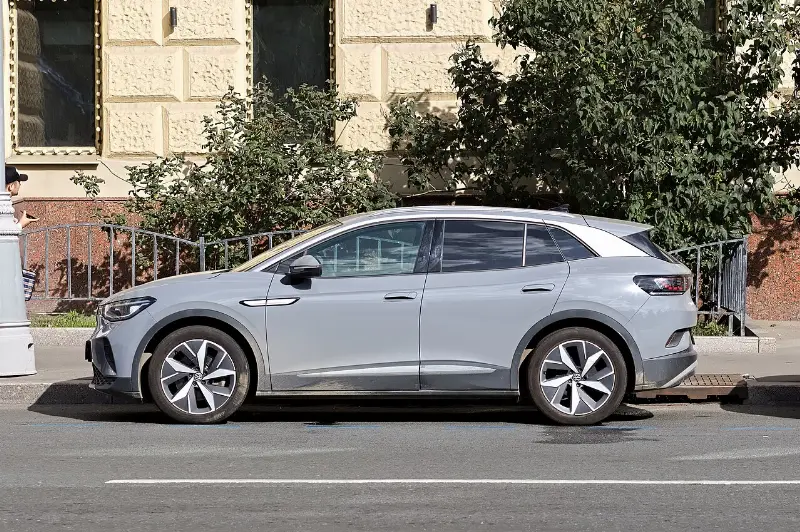
The 2026 Volkswagen ID.4 2WD offers an EPA-estimated 291 miles of range, close to the 295 miles median among battery-electric records for the model year. Its 113 MPGe combined rating ranks well above the market median, making efficiency a stronger point than outright range. The supplied figures are useful for comparing EPA ratings and estimating home energy costs, but they do not establish real-world range, ownership reliability, or the vehicle’s recall status.
Key Findings
- EPA range is 291 miles, ranking #177 among the model-year battery-electric records.
- Combined efficiency is 113 MPGe, ranked #48 and above the 91 MPGe median.
- The EPA city and highway figures are 122 MPGe and 104 MPGe, respectively.
- EVCar estimates home charging at 650 dollars annually under its stated driving and electricity-price assumptions.
- No NHTSA recall count was supplied, so shoppers should check the vehicle identification number on NHTSA’s site.
EPA range: close to the market midpoint
The EPA rating gives this ID.4 2WD a stated range of 291 miles. Across 295 miles median range for battery-electric model records in the same model year, the ID.4 sits near the middle of the field. Its rank of #177 out of the EPA dataset’s #177 also places it around the center by range.
For a buyer comparing vehicles, that positioning means the ID.4’s case is not based on leading the field in rated distance. It may still fit a routine where the EPA estimate covers expected trips with a comfortable buffer, but individual travel needs and charging access matter. The EPA figure is a test-cycle rating; it is not a guarantee of the distance available in everyday driving.
Efficiency is the stronger headline
The ID.4’s combined rating of 113 MPGe is meaningfully above the model-year median of 91 MPGe. Its position at #48 among #48 makes efficiency a more distinctive advantage than range in this dataset.
MPGe is an EPA efficiency comparison measure. It helps shoppers compare energy use across electric vehicles, but it does not tell them what electricity will cost at their home. Electricity rates and charging circumstances affect the bill, and the supplied annual estimate uses a particular set of assumptions.
City and highway ratings
The EPA lists 122 MPGe for city driving and 104 MPGe for highway driving. These ratings show the EPA’s separate cycle results: the city figure is higher than the highway figure. Buyers whose driving is mostly highway travel should pay attention to that distinction when setting expectations, while remembering that neither rating predicts an individual trip precisely.
The combined rating remains the clearest single figure for broad comparison. The city and highway values add context, but they should not be treated as promises of consumption or range in a particular location or season.
What the charging estimate says
EVCar estimates annual home-charging cost at 650 dollars for 650 dollars, using EPA MPGe and the latest cited U.S. residential electricity price. This gives buyers a reference point for home energy spending under that calculation’s assumptions.
It is not a quoted utility bill or a universal ownership cost. A household’s actual expense depends on its electricity price and how much driving and charging it does. The estimate also does not represent public charging costs or include vehicle purchase, insurance, or other expenses.
EPA charging time and its limits
The EPA listing gives a 8.00 hours charge-time figure for a 8.00 hours connection. This can help frame a home-charging plan, but it is a database specification rather than a promise about every installation or charging session. The supplied facts do not include public fast-charging speed or charging-curve details.
Who this 2WD profile may suit
The figures point toward shoppers who value above-median rated efficiency and consider near-median EPA range sufficient for their regular travel. The 2WD designation identifies the exact EPA record discussed here; these figures should not be assumed to describe another ID.4 configuration. Buyers comparing trims or drivetrains should match the exact EPA listing before relying on its range and efficiency numbers.
Shoppers who prioritize the longest EPA range in the model-year dataset may want to compare other records directly. Those who care more about efficiency rankings may find the ID.4’s position more compelling. Since no price, equipment, warranty, or competing-trim facts are provided, this profile cannot determine overall value or identify a best trim.
Recalls and what the available facts establish
The supplied data contains no NHTSA recall count for this vehicle. That absence does not establish that no campaigns exist. Before buying a specific vehicle, check its VIN using NHTSA’s recall lookup; a VIN search is needed to see the information applicable to that vehicle.
Recall counts, when available, describe campaigns listed in the database for a model year. They are not reliability ratings. No reliability conclusion can be drawn from the EPA figures in this profile.
Key figures at a glance
| Measure | 2026 Volkswagen ID.4 2WD | Market context |
|---|---|---|
| EPA range | 291 miles | Rank #177; median 295 miles |
| Combined efficiency | 113 MPGe | Rank #48; median 91 MPGe |
| City efficiency | 122 MPGe | EPA city-cycle rating |
| Highway efficiency | 104 MPGe | EPA highway-cycle rating |
| EPA charging time | 8.00 hours | At 8.00 hours |
| Estimated annual home charging | 650 dollars | Estimate for 650 dollars under EVCar’s assumptions |
Frequently Asked Questions
What is the EPA range of the 2026 Volkswagen ID.4 2WD?
The supplied EPA listing gives it a range of 291 miles. EPA range is a test-cycle estimate, not a guaranteed real-world result.
How does its combined MPGe compare with the model-year median?
Its combined rating is 113 MPGe, above the supplied median of 91 MPGe.
What are the city and highway MPGe ratings?
The supplied figures are 122 MPGe city and 104 MPGe highway.
How much does home charging cost annually?
EVCar’s estimate is 650 dollars for 650 dollars at the cited residential electricity price. Actual costs depend on household usage and electricity rates.
How many recalls are listed for this model year?
No recall count was included in the supplied facts. Check the vehicle’s VIN on NHTSA’s recall lookup for applicable campaigns.
Conclusion: efficiency stands out more than range
The 2026 Volkswagen ID.4 2WD combines near-median EPA range with efficiency that ranks above the model-year median. That makes it a reasonable candidate for buyers whose routine fits its range estimate and who value energy efficiency. Treat the ratings and home-charging estimate as comparison tools, confirm charging needs for your circumstances, and check the VIN for recall information before purchase.
Data Sources
- EPA, vehicle fuel economy dataset: fueleconomy.gov vehicle data. Retrieved November 11, 2026.
- EVCar calculations using the EPA dataset: model-year ranks and medians, plus estimated annual home-charging cost. Cost estimate uses the EIA U.S. residential electricity-price series retrieved November 4, 2026.
- EIA, U.S. residential electricity price series: EIA API series.
- NHTSA recall lookup: use the vehicle identification number to check current campaign information.