EV vs Gas Car Comparison · EVCar Data Desk
Does the ID.4 Cost Less to Run Than Gas?
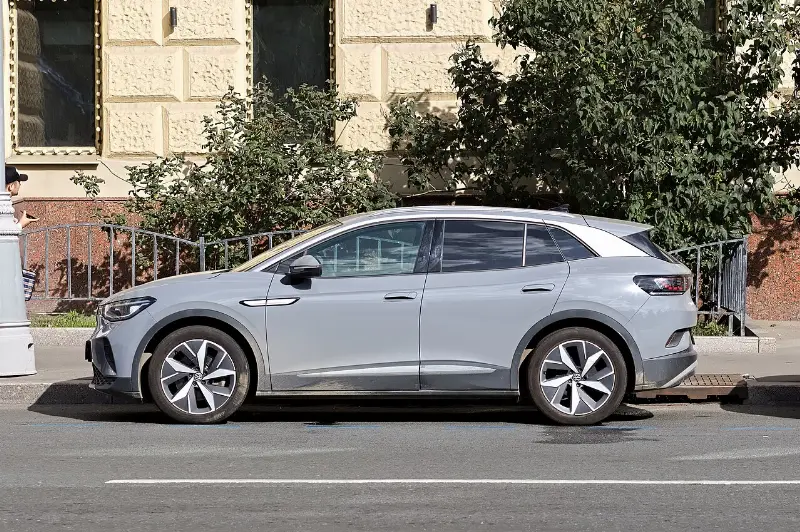
The 2026 Volkswagen ID.4 2WD has an EPA combined rating of 113 MPGe, and the supplied national energy-price estimates put its electricity cost below the gasoline baseline. For a buyer focused on energy spending, that makes the ID.4 the lower-cost option in this comparison. The estimated savings depend on the national prices and driving assumptions used here; they are not a guarantee of what any household will pay.
Key Findings
- The EPA lists the ID.4 at 113 MPGe combined.
- Estimated electricity cost is 5.41 dollars per 100 miles, compared with 15.39 dollars for the gasoline baseline.
- At the stated annual driving assumption, estimated annual fuel savings are 1198 dollars.
- The calculation uses a US residential electricity price of 18.1600 cents/kWh and a US gasoline price of 4.3100 dollars.
What the ID.4’s EPA Rating Tells You
MPGe translates an electric vehicle’s energy use into a miles-per-gallon-equivalent measure for comparison with gasoline vehicles. The ID.4’s combined EPA rating is a standardized test-cycle figure, not a promise that every driver will achieve the same efficiency in daily use. Actual energy use and cost can vary with driving conditions, weather, speed, charging losses, and the electricity rate a driver pays.
The supplied facts do not include an EPA market ranking or median for this model year, so this comparison cannot place the ID.4 in the broader electric-vehicle field. The rating is still useful for understanding the calculation: the cost estimate combines the vehicle’s efficiency with the supplied national residential electricity price.
Estimated Energy Cost: ID.4 Versus Gas
The per-distance comparison is the clearest way to see the estimated operating-cost difference. Under the supplied assumptions, electricity for the ID.4 costs 5.41 dollars per 100 miles. The gasoline baseline costs 15.39 dollars over the same distance.
The gas comparison uses a US average gasoline car rated at 28 miles per gallon, gasoline at 4.3100 dollars, and annual driving of 12,000 miles. The EV estimate uses the US residential electricity price of 18.1600 cents/kWh. These are national assumptions, not a quote based on a particular driver’s utility bill or local fuel price.
| Measure | 2026 Volkswagen ID.4 2WD | Gasoline baseline |
|---|---|---|
| EPA combined efficiency | 113 MPGe | 28 miles per gallon |
| Energy price assumption | 18.1600 cents/kWh | 4.3100 dollars |
| Estimated cost per 100 miles | 5.41 dollars | 15.39 dollars |
| Annual driving assumption | 12,000 miles | 12,000 miles |
| Estimated annual fuel savings with the ID.4 | 1198 dollars | |
How to Interpret the Annual Savings Estimate
The estimated annual savings of 1198 dollars applies the supplied per-distance energy costs to the stated annual mileage assumption. It gives buyers a consistent way to compare energy spending, but it covers fuel or electricity only. It does not account for purchase price, financing, insurance, maintenance, taxes, charging equipment, public charging, or differences between the ID.4 and a particular gasoline vehicle.
Your result can differ if you drive more or less than the assumed annual distance, pay a different electricity rate, or buy gasoline at a different price. Home charging is the basis of the electricity price used here. A driver who relies heavily on public charging may face different costs, and the supplied facts do not establish that driver’s rate.
Which Buyers May Find the ID.4 More Appealing?
The cost figures favor the ID.4 for a buyer whose decision gives substantial weight to energy spending and who can charge at rates close to the national residential average. The estimated gap between its electricity cost and the gas baseline is especially relevant to people who expect to drive regularly, since the annual estimate assumes 12,000 miles of use.
The figures alone cannot determine whether the ID.4 is the better overall purchase. No purchase price, incentives, charging access, range, charging speed, or comparable gasoline model specification was supplied. Buyers should treat this as a running-cost comparison rather than a complete ownership-cost calculation.
Limits of This Comparison
The EPA efficiency figure is a test-cycle rating. Real-world efficiency varies, and the data provided do not quantify how far an individual driver’s results might differ. Likewise, the electricity and gasoline prices are national inputs retrieved for this calculation, not current personalized quotes.
The facts also do not supply a recall count for this vehicle. For a specific used or new vehicle, buyers can check its VIN through NHTSA’s recall lookup. The energy-cost figures do not say anything about reliability or safety.
Frequently Asked Questions
How much does the ID.4’s electricity cost per 100 miles in this estimate?
The estimate is 5.41 dollars per 100 miles, using the supplied national residential electricity price and EPA efficiency rating.
What does the gasoline comparison assume?
It uses an average gasoline car rated at 28 miles per gallon, a national gasoline price of 4.3100 dollars, and annual driving of 12,000 miles.
How much could the ID.4 save annually on energy?
The supplied estimate is 1198 dollars per year under the stated driving and energy-price assumptions. A driver’s actual savings depend on local rates and usage.
Is the EPA MPGe rating a real-world guarantee?
No. The 113 MPGe combined rating is an EPA test-cycle result. Real-world efficiency and cost can vary with driving and charging conditions.
Conclusion: A Strong Energy-Cost Case, With Assumptions
The supplied figures make the 2026 Volkswagen ID.4 2WD the lower-energy-cost choice against the stated gasoline baseline: estimated electricity spending is 5.41 dollars per 100 miles, with estimated annual savings of 1198 dollars. That is useful evidence for buyers weighing running costs, provided they compare the assumptions with their own electricity rate, gasoline price, and driving habits. It does not settle the broader purchase decision or predict an individual owner’s bills.
Data Sources
- EPA, 2026 Volkswagen ID.4 combined MPGe, retrieved 2026-11-13: FuelEconomy.gov vehicle data.
- US Energy Information Administration, residential electricity price, retrieved 2026-11-12: EIA electricity price series.
- US Energy Information Administration, gasoline price, retrieved 2026-11-12: EIA gasoline price series.
- Per-distance energy costs and annual savings are supplied estimates based on these inputs and the stated gasoline-car and annual-driving assumptions.