EV vs Gas Car Comparison · EVCar Data Desk
Does the EQS 580 Cost Less to Run Than a Gas Car?
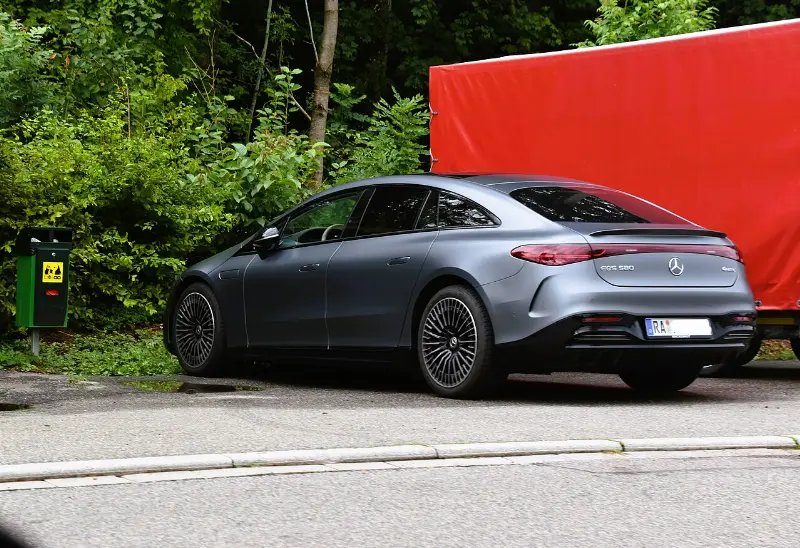
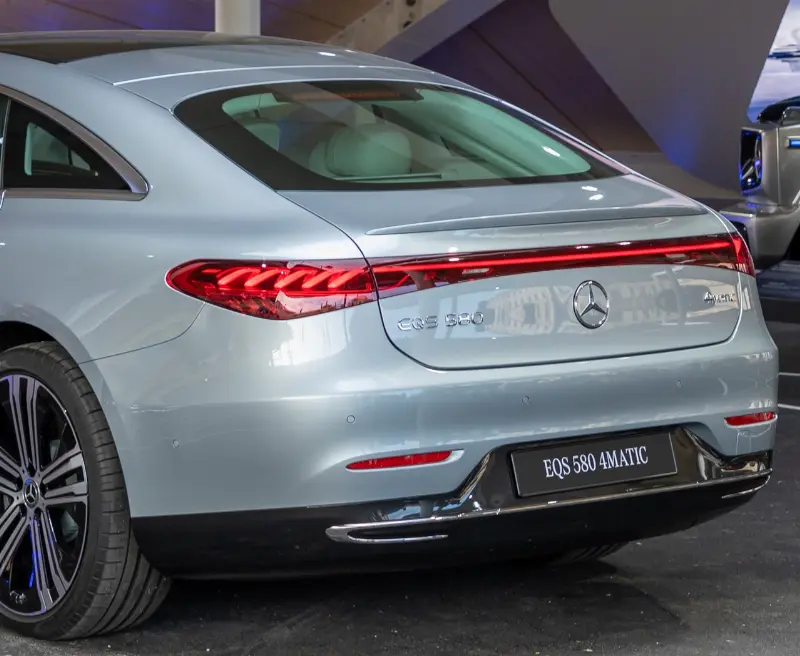
At the supplied U.S. energy prices, the 2027 Mercedes-Benz EQS 580 4MATIC costs substantially less to power than the gasoline baseline in this comparison. Its EPA rating is 112 MPGe, while estimated electricity costs 5.47 dollars per 100 miles versus 15.39 dollars for gasoline. The estimated annual fuel savings are 1190 dollars under the stated driving assumptions. These are energy-cost estimates, not a complete ownership-cost comparison.
Key Findings
- The EQS 580’s EPA combined efficiency rating is 112 MPGe.
- Estimated electricity expense is 5.47 dollars per 100 miles using the supplied residential electricity price of 18.1600 cents/kWh.
- The gasoline comparison comes to 15.39 dollars per 100 miles, using the supplied gasoline price of 4.3100 dollars per gallon and an average gasoline car rated at 28 miles per gallon.
- At 12,000 miles per year, the provided estimated annual fuel savings are 1190 dollars.
- The figures compare energy expense only. They do not establish the EQS 580’s purchase price, insurance, maintenance, or total cost of ownership.
What the EQS 580’s EPA Rating Tells Buyers
The EPA combined rating of 112 MPGe describes the car’s rated energy efficiency on the EPA test cycle. MPGe puts electric energy use on an energy-equivalent scale with gasoline vehicles; it is not a promise that every driver will see the same efficiency or cost. Driving conditions, temperatures, routes, and charging circumstances can affect real-world energy use, and the supplied facts do not quantify those effects.
The rating is useful here as context for the cost estimate: the lower electricity expense follows from the vehicle’s rated efficiency combined with the supplied residential electricity price. A buyer should treat the cost result as an estimate based on those inputs rather than a guaranteed bill.
How the Per-Mile Cost Comparison Works
The supplied estimate puts EQS 580 electricity at 5.47 dollars per 100 miles. The calculation uses the U.S. residential electricity price of 18.1600 cents/kWh. Actual household charging costs can differ if a driver pays a different electricity rate or relies on charging with a different price.
For the gasoline baseline, the supplied assumptions are a U.S. average gasoline car rated at 28 miles per gallon and annual driving of 12,000 miles. At the supplied gasoline price of 4.3100 dollars per gallon, the estimated gasoline expense is 15.39 dollars per 100 miles. The comparison gives buyers a consistent way to assess energy expense, but it does not compare the EQS with a specific gasoline model.
Cost Summary
| Measure | 2027 Mercedes-Benz EQS 580 4MATIC | Gasoline baseline |
|---|---|---|
| Efficiency figure | 112 MPGe (EPA combined) | 28 miles per gallon (U.S. average assumption) |
| Energy price used | 18.1600 cents/kWh | 4.3100 dollars per gallon |
| Estimated energy cost per 100 miles | 5.47 dollars | 15.39 dollars |
| Estimated annual fuel savings at 12,000 miles | 1190 dollars for the EQS 580 under the supplied assumptions | |
What the Estimated Annual Savings Mean
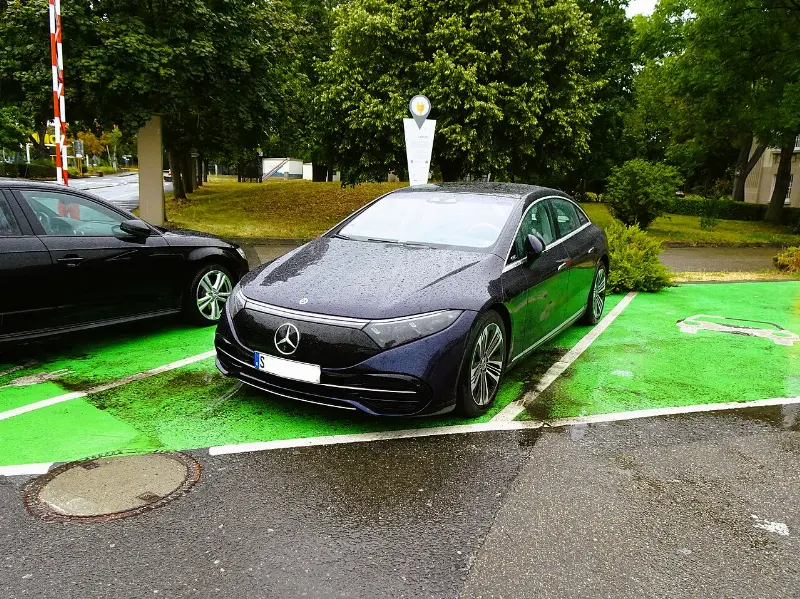
The estimated annual savings of 1190 dollars translate the per-mile energy comparison into an annual figure using 12,000 miles of driving. It gives prospective buyers a sense of the potential operating-cost advantage when electricity and gasoline are priced at the supplied U.S. averages.
This estimate is sensitive to both energy prices and driving distance. A household with cheaper electricity may spend less to charge; a household paying more may see a smaller advantage. Likewise, driving fewer or more miles changes annual energy spending. The supplied estimate does not account for home charging equipment, public charging prices, or any vehicle expenses beyond fuel and electricity.
Who May Benefit Most From the Cost Advantage
The energy-cost case is most relevant to an EQS 580 shopper who expects to drive regularly and can charge at a rate close to the supplied residential average. Under the comparison’s assumptions, the EQS uses less money per 100 miles for energy than the average gasoline car described in the input.
Buyers who cannot charge at residential rates should avoid assuming the quoted electricity cost will match their experience. The facts provide one national residential price and one vehicle cost estimate; they do not include alternative electricity tariffs or public charging rates. The article also lacks vehicle purchase prices and other ownership expenses, so the energy savings alone cannot determine which vehicle is cheaper overall.
Limits of This Comparison
The EPA efficiency figure is a test-cycle rating, and individual results can vary. The supplied electricity and gasoline prices are national inputs retrieved on the dates listed in the data sources; they are not tailored to a buyer’s location. The annual savings figure also depends on the stated annual mileage and gasoline-car efficiency assumption.
No purchase price, financing, insurance, maintenance, depreciation, charging equipment, or charging-time information was supplied. Those factors may matter to a buying decision, but there is not enough evidence here to quantify them. This comparison supports a focused conclusion about estimated energy expense only.
Frequently Asked Questions
How efficient is the 2027 Mercedes-Benz EQS 580 4MATIC?
Its EPA combined rating is 112 MPGe. That is a test-cycle rating, not a guarantee of real-world efficiency.
What is the estimated electricity cost per 100 miles?
The supplied estimate is 5.47 dollars per 100 miles, based on a U.S. residential electricity price of 18.1600 cents/kWh.
How does that compare with the gasoline baseline?
The gasoline estimate is 15.39 dollars per 100 miles. The baseline assumes an average gasoline car rated at 28 miles per gallon and uses a supplied gasoline price of 4.3100 dollars per gallon.
What annual savings does the comparison estimate?
At 12,000 miles per year, the supplied estimate is 1190 dollars in fuel savings. It covers energy expense under the stated assumptions, not total ownership costs.
Conclusion: A Clear Energy-Cost Advantage Under These Assumptions
The EQS 580’s supplied EPA rating and energy prices point to a lower estimated cost per 100 miles than the gasoline baseline. The annual savings estimate makes the difference concrete for a driver covering 12,000 miles per year. For a purchase decision, treat this as one part of the comparison: the result depends on local energy prices and real-world efficiency, and the supplied facts do not cover the other costs of owning either vehicle.
Data Sources
- EPA vehicle data, including the EQS 580 combined MPGe rating, retrieved 2026-11-12: Fuel Economy vehicle data.
- U.S. residential electricity price and derived EV energy-cost estimates, EIA data retrieved 2026-11-12: EIA electricity price series.
- U.S. gasoline price and derived gasoline-cost estimate, EIA data retrieved 2026-11-12: EIA gasoline price series.