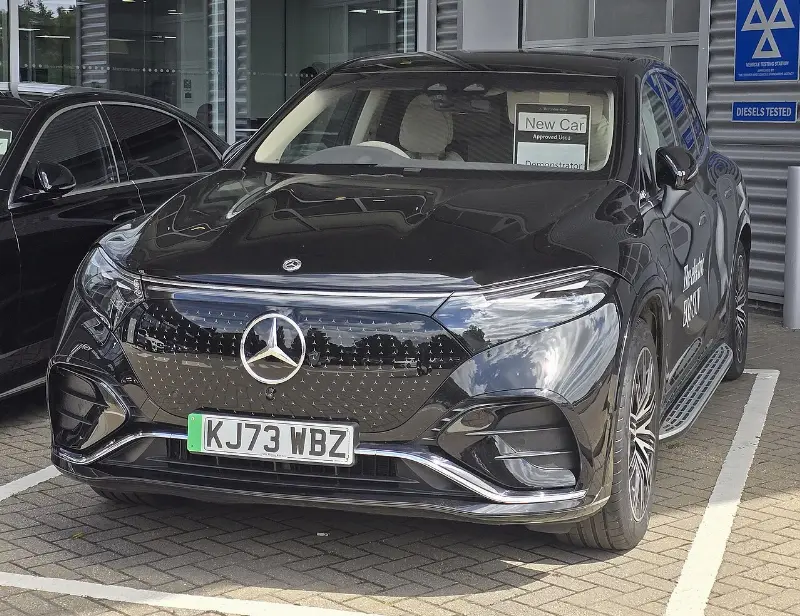
Electric Vehicles · EVCar Data Desk
Can the EQS 580’s Long EPA Range Fit Your Routine?
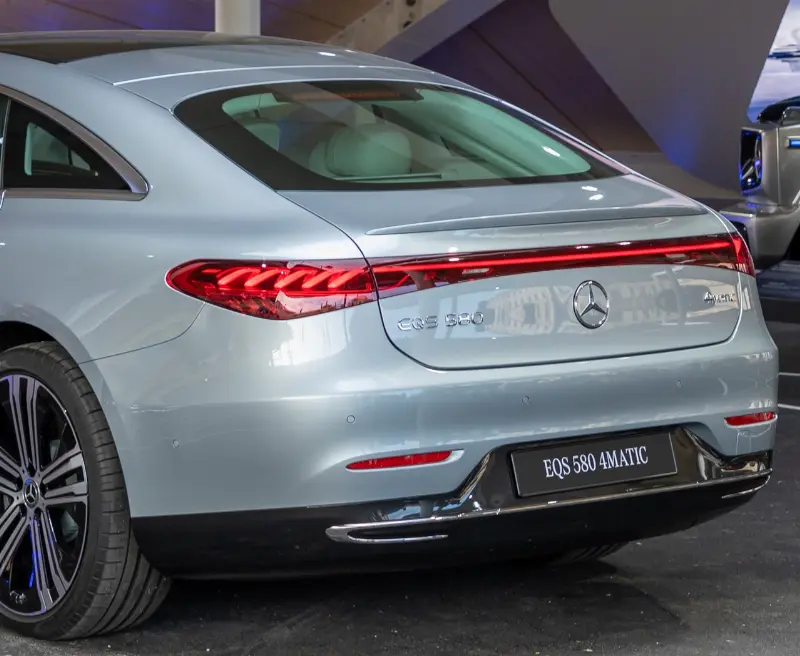
The 2027 Mercedes-Benz EQS 580 4matic stands out for its EPA-rated range: 434 miles, placing it well above the median among battery-electric vehicles in its model year. Its combined efficiency also exceeds that field’s median, though its range and efficiency ranks differ. For buyers considering this exact trim, the figures suggest a strong range-focused option; they do not predict every driver’s real-world results or establish how many recall campaigns are on file.
Key Findings
- The EPA rates this trim for 434 miles of range, ranking it #13 among battery-electric model records for its model year.
- Combined efficiency is 112 MPGe, above the field median of 96 MPGe, with a rank of #53.
- EPA city and highway ratings are close: 112 MPGe in city driving and 114 MPGe on the highway.
- The estimated home-charging cost is 656 dollars for the stated annual-driving assumption and electricity-price basis; actual household costs can differ.
- No NHTSA recall count was provided for this vehicle, so buyers should check the VIN on NHTSA.gov for applicable campaigns.
How the EPA Range Positions This Trim
The EPA range rating gives the EQS 580 4matic a notable position in its model-year field. Its 434 miles is well above the dataset median of 309 miles, and the trim ranks #13 among the battery-electric model records included in the comparison.
That ranking is useful as a market benchmark: it shows this trim is among the longer-range entries in the dataset. It is not a promise that every trip will cover the rated distance. EPA results come from a standardized test cycle; speed, weather, terrain, climate settings, and driving conditions can affect real-world range. The supplied facts do not quantify those effects for this vehicle.
For shoppers who prioritize fewer charging stops on trips or more rated range between charges, the EPA result is a clear strength. Buyers should still consider their usual routes and access to charging, since the rating alone cannot show how convenient the vehicle will be for an individual routine.
Efficiency: Stronger Than the Field Median
The combined rating is 112 MPGe, compared with a model-year median of 96 MPGe. The EQS 580 4matic ranks #53 in combined MPGe among the included battery-electric records. That places it above the middle of the field on this measure, though its efficiency rank is not as high as its range rank.
Range and efficiency answer different shopping questions. Range describes the EPA-rated distance on a charge, while MPGe expresses energy efficiency in a gasoline-equivalent measure. A vehicle can offer substantial range without leading its peers in efficiency. These figures help compare the trim in the EPA dataset, but they do not provide a direct comparison of purchase price, equipment, or charging access.
City and Highway Ratings
The EPA lists 112 MPGe for city driving and 114 MPGe for highway driving. The ratings are close, with the highway figure slightly higher. This provides a straightforward view of the test-cycle results across the two driving categories.
Those values should be read as EPA ratings, not predictions for a particular commute or road trip. The provided information does not include route-specific results or a real-world test. Shoppers can use the city and highway figures as standardized reference points while recognizing that their own energy use may vary.
Charging Time and Home-Cost Estimate
The EPA listing gives a 11.50 hours charge-time figure for a 240-volt connection. This is the supplied EPA charging-time data point; it does not establish charging speed at every station or under every condition. The facts do not provide a separate DC fast-charging time or charging curve.
EVCar estimates annual home-charging cost at 656 dollars, based on the stated annual mileage assumption and the latest U.S. residential electricity price used in the calculation. Treat that as an estimate tied to those inputs. A household’s electricity rate, charging losses, and share of charging done away from home can change its bill. The estimate does not include vehicle purchase costs or public charging charges.
At a Glance
| Measure | EPA or EVCar figure | How to read it |
|---|---|---|
| EPA range | 434 miles | Ranks #13 in the model-year dataset |
| Range median | 309 miles | Median for the model-year battery-electric field |
| Combined efficiency | 112 MPGe | Ranks #53 in the model-year dataset |
| Combined MPGe median | 96 MPGe | Median for the model-year battery-electric field |
| City / highway efficiency | 112 MPGe / 114 MPGe | EPA test-cycle ratings |
| EPA 240V charge time | 11.50 hours | EPA listing figure |
| Estimated annual home-charging cost | 656 dollars | EVCar estimate using its stated assumptions |
Who May Find This Trim a Fit
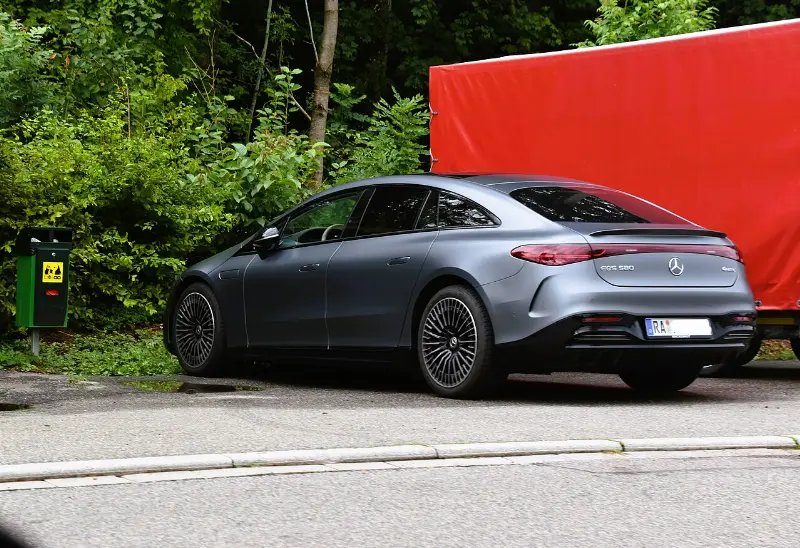
The EQS 580 4matic’s EPA figures may suit shoppers who place a premium on rated range and want an efficiency rating above the model-year median. Its range rank is especially strong within the dataset. The combined MPGe result is also above median, while its separate efficiency rank shows that many listed records rate higher on that specific measure.
These facts cannot establish whether the trim is the best overall value for a particular buyer. The supplied data does not include pricing, equipment comparisons, warranty terms, or a direct comparison with another trim. Buyers weighing those issues should consult current vehicle listings and manufacturer information alongside the EPA figures.
Recall Information and What the Data Cannot Show
No NHTSA campaign count was supplied here. That absence does not mean the vehicle has no recalls or establish anything about its safety or reliability. Recall campaigns can depend on the exact vehicle and its identification number. Check the VIN through NHTSA.gov before purchase or when reviewing a vehicle already in service.
The dataset also cannot tell an owner’s actual range, electricity bill, or charging experience. EPA ratings and the EVCar cost estimate provide comparison points with defined assumptions. They are not measurements of a specific owner’s use.
Frequently Asked Questions
What EPA range is listed for the EQS 580 4matic?
The EPA listing gives this trim a range of 434 miles. It ranks #13 among battery-electric model records for its model year.
How efficient is it compared with the model-year median?
Its combined rating is 112 MPGe, above the dataset median of 96 MPGe. The EPA figures are test-cycle ratings, not guaranteed real-world outcomes.
What does the EPA list for a 240V charge?
The supplied EPA figure is 11.50 hours. The provided facts do not include a DC fast-charging time.
How much might home charging cost annually?
EVCar’s estimate is 656 dollars under the calculation’s stated driving and electricity-price assumptions. A household’s actual cost may differ.
How many recalls does this model have?
No recall count was included in the supplied facts. Check the vehicle identification number on NHTSA.gov for campaign information that applies to a specific vehicle.
Conclusion: A Range-Led EPA Profile
The EPA data make the 2027 EQS 580 4matic a strong range-focused entry in its model-year field, with combined efficiency also above the field median. Its city and highway MPGe ratings are close, and the charging-cost figure offers a useful estimate under specific assumptions. Treat all of these as comparison tools: real-world range and costs vary, and recall status requires a VIN check.
Data Sources
- EPA, vehicle ratings and charging data, retrieved November 18, 2026: fueleconomy.gov vehicle data.
- EVCar calculations using EPA model-year records: range and combined MPGe rankings and medians, plus the home-charging estimate.
- EIA, U.S. residential electricity price series used for the charging estimate, retrieved November 12, 2026: EIA electricity price data.
- NHTSA recall lookup: use the vehicle identification number at nhtsa.gov/recalls.