Best Electric Cars · EVCar Data Desk
2027 Volvo EX90 vs Kia Sportage PHEV: Range and Recall Overview
The 2027 Volvo EX90 and the 2027 Kia Sportage Plug-in Hybrid offer distinct advantages in EPA range and efficiency, both with flawless recall histories. Buyers focused on longer total driving range will find the Kia Sportage PHEV notably extends travel capability, while the fully electric Volvo EX90 delivers higher MPGe ratings and zero emissions. This comparison covers EPA-rated range, MPGe metrics, charging times, and recall data to clarify which model suits different needs.
Key Findings
- The Kia Sportage PHEV boasts an EPA range of 470 miles, surpassing the Volvo EX90's 300 miles.
- The Volvo EX90 offers significantly better efficiency with a combined 87 MPGe versus Kia's 36 MPGe.
- Both vehicles have zero recalls according to NHTSA records as of the latest data.
- The Volvo EX90 requires roughly 11 hours to fully charge on 240V, whereas the Kia Sportage PHEV takes around 2 hours.
- Volvo's EX90 achieves higher city and highway MPGe (92 MPGe city, 82 MPGe highway) compared to Kia's PHEV (35 MPGe city, 36 MPGe highway).
EPA Range Comparison
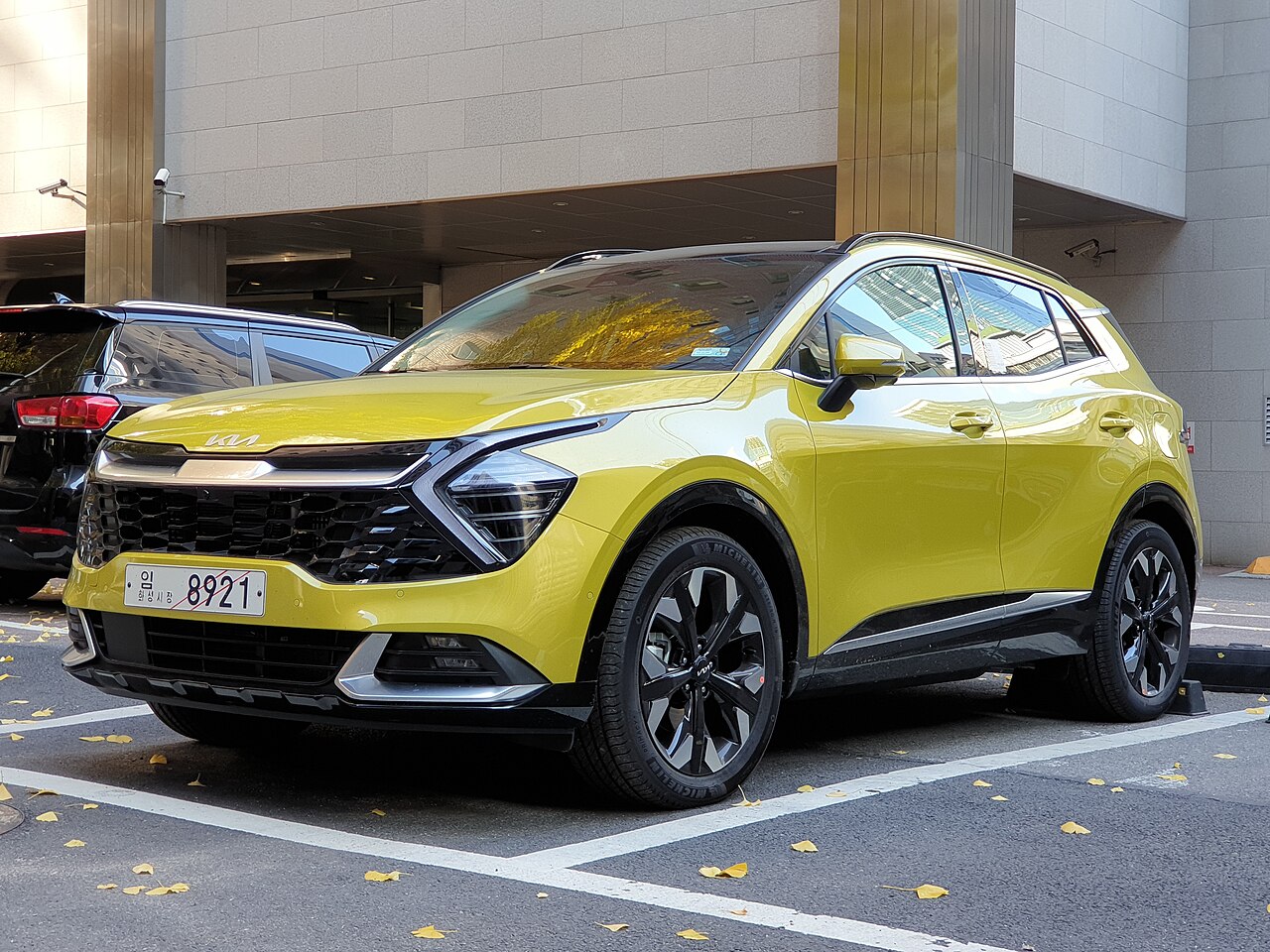
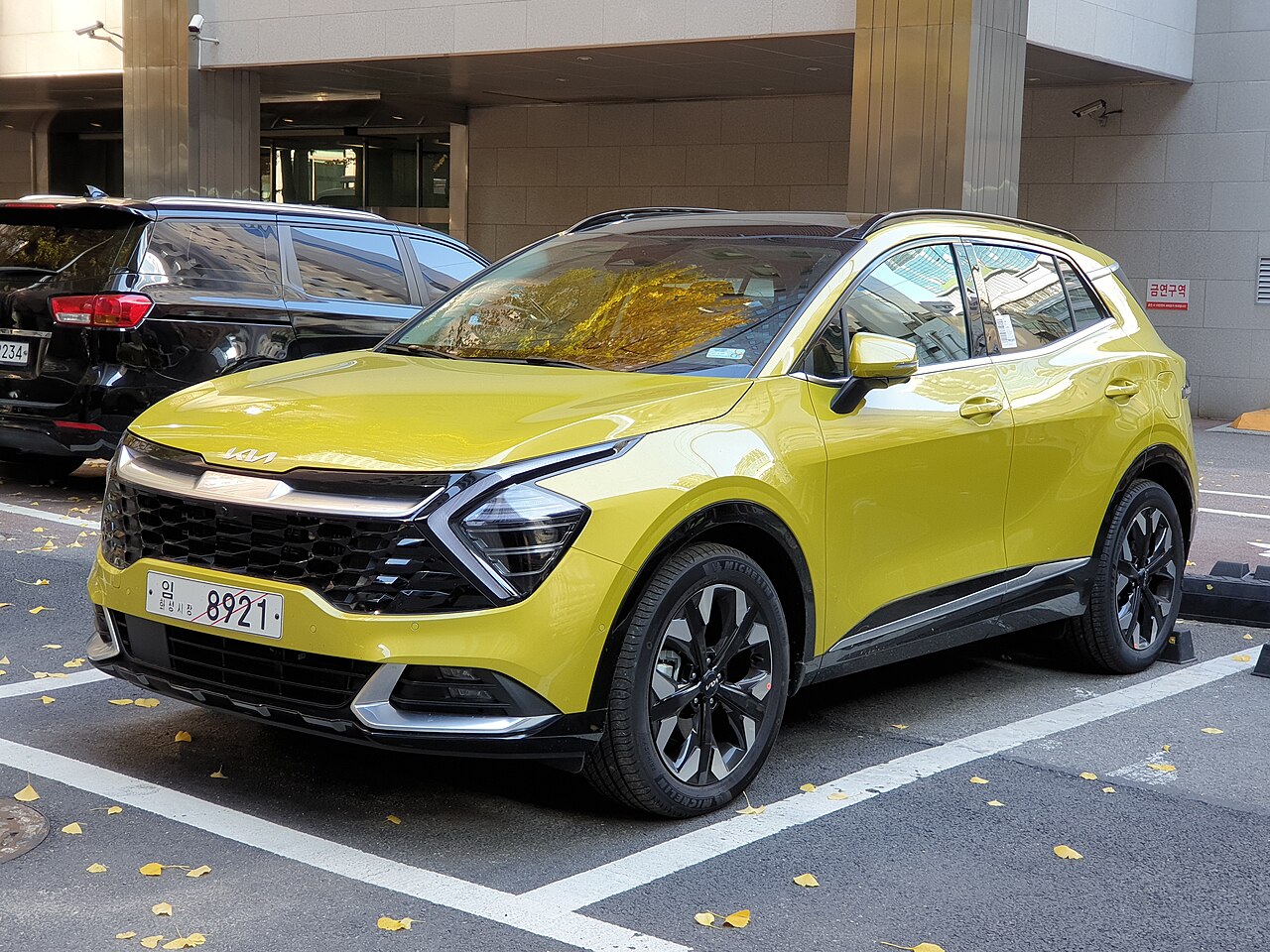
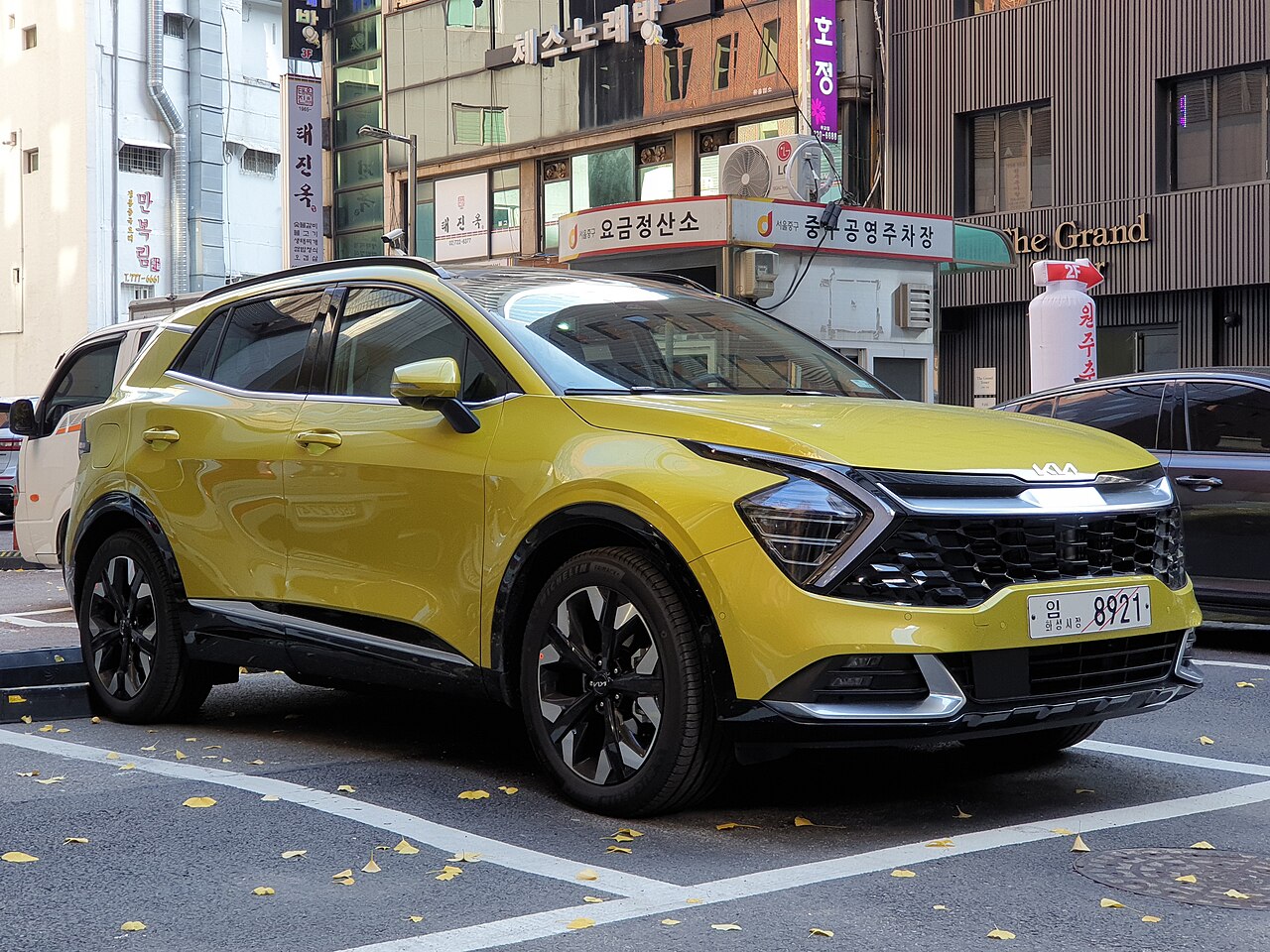
The 2027 Kia Sportage Plug-in Hybrid Small Sport Utility Vehicle 4WD delivers an EPA-rated range of 470 miles. This extended range is typical for plug-in hybrids due to their combination of an electric battery and gasoline engine, allowing drivers to switch between fuel sources and thereby increasing total travel distance without immediate charging needs.
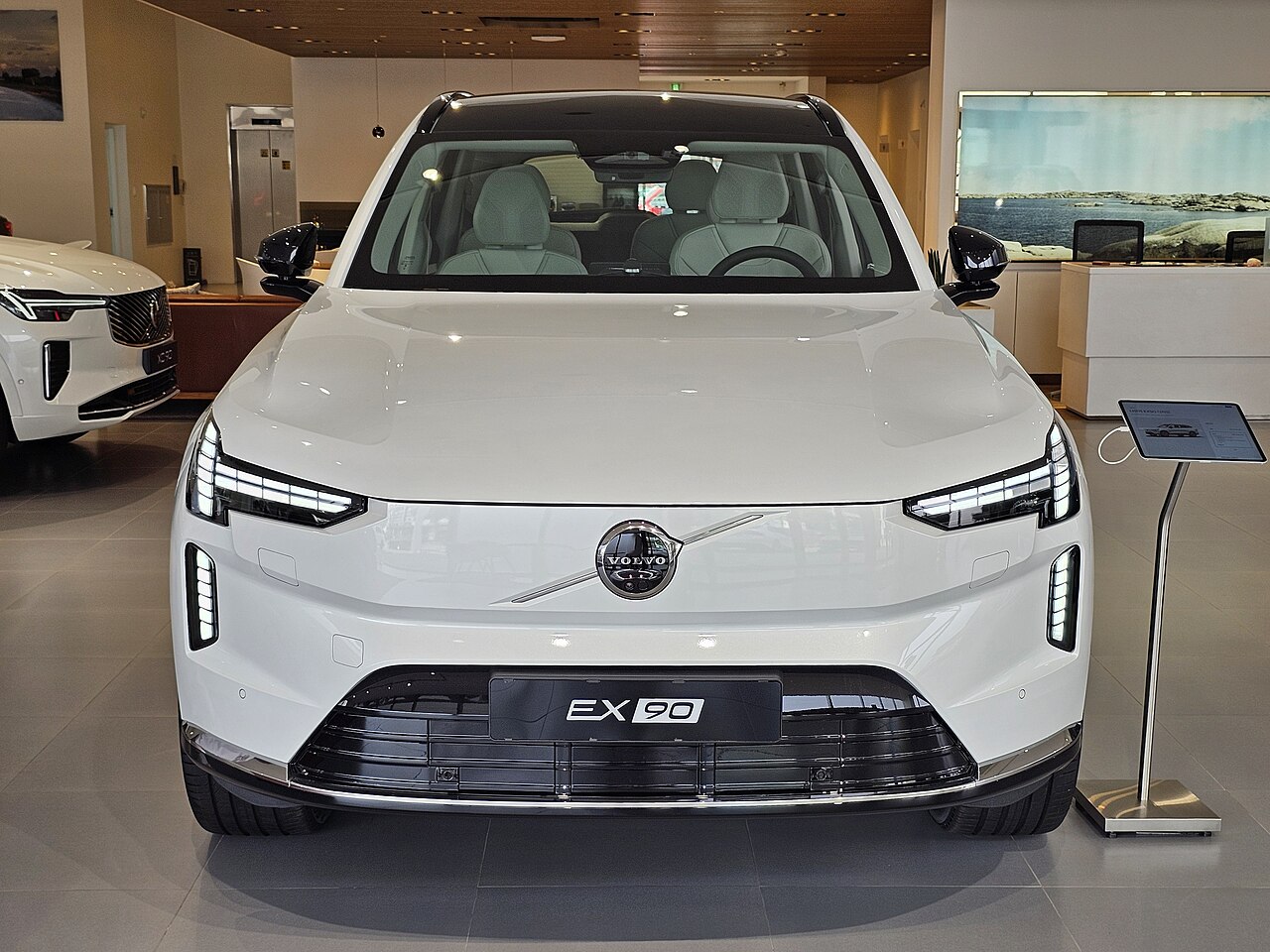
Conversely, the 2027 Volvo EX90 Twin Motor Performance Standard Sport Utility Vehicle 4WD, a fully electric SUV, achieves an EPA range of 300 miles. While this is lower than the Sportage PHEV's overall range, its absence of gasoline reliance offers zero tailpipe emissions and potentially lower running costs.
Efficiency and MPGe Ratings
The Volvo EX90 leads with a combined efficiency of 87 MPGe, reflecting the vehicle's ability to convert electrical energy into miles efficiently. This is reinforced by its city MPGe of 92 MPGe and highway MPGe of 82 MPGe. These figures illustrate electric motors’ inherent advantage in urban stop-and-go traffic.
In contrast, the Kia Sportage Plug-in Hybrid has a much lower combined MPGe of 36 MPGe, indicating less overall fuel efficiency when factoring both gasoline and electric usage. Its city and highway numbers hover in the mid-30s (35 MPGe city and 36 MPGe highway), consistent with plug-in hybrid designs balancing battery and engine power.
Charging Times and Practicality
Charging the Volvo EX90 from a 240V Level 2 charger requires approximately 11 hours, reflecting the time necessary to fully replenish a large electric battery typical of a full-sized electric SUV.
Meanwhile, the Kia Sportage PHEV can recharge its battery in just about 2 hours on a similar setup. The much shorter charging time is explained by the smaller battery pack, as plug-in hybrids reserve only limited pure electric driving range before switching to gasoline power.
Recall History and Vehicle Reliability
Both the Volvo EX90 and Kia Sportage Plug-in Hybrid show zero recalls according to the latest NHTSA data. This suggests their initial production batches have exhibited no systemic safety defects leading to official recalls. Buyers may consider this a positive indicator of build quality and regulatory compliance for the 2027 model year.
Which SUV Should You Consider?
Choose the Kia Sportage Plug-in Hybrid if total range without frequent charging is critical and occasional gasoline use is acceptable or preferred for longer trips. Its shorter electric-only range is supplemented by fuel, significantly increasing overall mileage capability.
Opt for the Volvo EX90 if maximizing electric efficiency, enjoying fully electric operation, and benefiting from advanced electric powertrain tech matter most. While total range is lower, it excels in pure electric energy use efficiency, making it well suited for drivers prioritizing lower emissions and urban driving.
| Specification | Volvo EX90 Twin Motor | Kia Sportage PHEV |
|---|---|---|
| EPA Range | 300 miles | 470 miles |
| Combined MPGe | 87 MPGe | 36 MPGe |
| City MPGe | 92 MPGe | 35 MPGe |
| Highway MPGe | 82 MPGe | 36 MPGe |
| 240V Charge Time | 11 hours | 2 hours |
| NHTSA Recalls | 0 recalls | 0 recalls |

Frequently Asked Questions
What is the real-world range difference between these SUVs?
The Kia Sportage PHEV has a substantial advantage in EPA range at 470 miles, compared to the Volvo EX90's 300 miles. This translates to fewer stops or longer trips without refueling or recharging for the Kia.
How do their energy efficiencies compare?
The Volvo EX90 is much more efficient, with a combined MPGe almost two and a half times higher than Kia's PHEV. This means the Volvo uses its electric energy more effectively per mile driven.
Are there any outstanding recalls for these models?
Both vehicles have zero recalls on record from NHTSA as of the latest information, indicating clean safety histories so far.
Which vehicle charges faster?
The Kia Sportage PHEV charges significantly faster (2 hours) at 240V than the fully electric Volvo EX90, which requires around 11 hours.
Which SUV best suits city driving?
The Volvo EX90 offers higher city MPGe (92 MPGe), making it more efficient for urban stop-and-go conditions than the Kia Sportage PHEV.
Conclusion: Weighing Range vs. Efficiency in 2027 SUVs
The 2027 Kia Sportage Plug-in Hybrid offers superior overall travel range thanks to its combined gasoline and electric capabilities, making it a strong option for drivers requiring extended trips without frequent charging. However, this comes with lower efficiency and higher fuel consumption reflected in its MPGe ratings.
The 2027 Volvo EX90 presents a thoroughly electric alternative with strong efficiency metrics, especially beneficial for travelers focusing on zero-emission driving and urban or daily commuting where charging access is available. Its longer charging times and lower total range reflect the trade-offs typical of fully electric vehicles.
Both models have zero recalls reported, indicating no known safety defects to date. Buyers should prioritize their driving habits and preferences between plug-in hybrid flexibility and full electric efficiency when choosing.