Tesla Alternatives · EVCar Data Desk
Kia Sportage PHEV vs Tesla Cybertruck: Range and Efficiency Explained
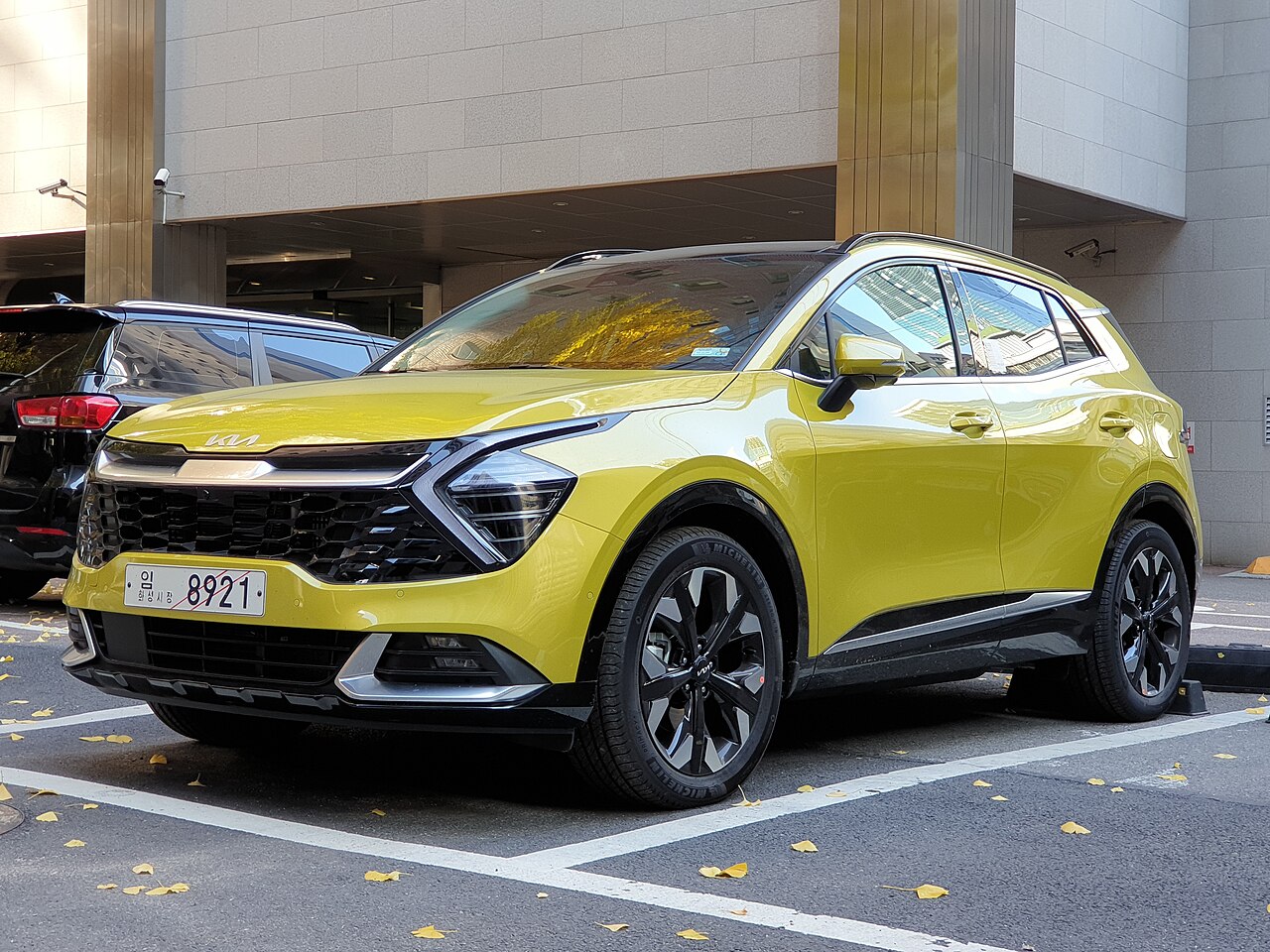
When comparing the 2027 Kia Sportage Plug-in Hybrid (PHEV) with the 2026 Tesla Cybertruck Dual Motor AWD, buyers face a choice between a plug-in hybrid small SUV and a fully electric standard pickup with distinct strengths and limitations. The Kia Sportage PHEV offers a longer EPA-estimated combined range, but at noticeably lower energy efficiency and with a hybrid powertrain. The Cybertruck delivers high electric efficiency and zero recalls, reflecting Tesla's growing maturity while presenting a somewhat shorter range compared to the PHEV's gasoline-electric combination. Here’s a detailed comparison to help buyers understand these tradeoffs.
Key Findings
- The 2027 Kia Sportage PHEV offers an EPA combined range of 470 miles, exceeding the Tesla Cybertruck’s 325 miles.
- The Tesla Cybertruck is significantly more efficient, boasting a combined 78 MPGe versus the Kia’s 36 MPGe.
- Both vehicles currently have zero reported recalls from NHTSA.
- The Kia plugs in faster with a Level 2 charge time of 2 hours, while the Tesla Cybertruck needs 12 hours for a full charge at 240V.
- The Tesla Cybertruck’s electric-only MPGe ratings are higher in both city (87 MPGe) and highway (70 MPGe) driving compared to the Sportage PHEV’s city (35 MPGe) and highway (36 MPGe) figures.
EPA Range: Hybrid Advantage vs Pure Electric Experience
The Kia Sportage PHEV’s EPA combined range of 470 miles exceeds that of the Tesla Cybertruck’s 325 miles. This wider range is typical of plug-in hybrids because the total figure includes miles achievable on both electric batteries and gasoline fuel. Buyers seeking extensive driving distances without frequent stops will find the Kia appealing for its ability to seamlessly extend range via its combustion engine.
On the other hand, the Tesla Cybertruck’s figure reflects pure electric range. For buyers prioritizing all-electric driving and a fully electric vehicle experience, the Cybertruck offers a substantial daily range for most uses, though it falls short of the Kia’s total hybrid range.
Energy Efficiency Differences: Tesla’s Electric Edge
Energy efficiency is where the Tesla Cybertruck shines, with a combined EPA rating of 78 MPGe, more than double the Kia Sportage PHEV’s 36 MPGe. MPGe (miles per gallon gasoline equivalent) measures how effectively a vehicle converts electric energy consumption into miles traveled.
The Cybertruck’s electric powertrain is optimized for efficiency, resulting in substantially lower energy consumption per mile. The Kia’s lower MPGe ratings are typical of plug-in hybrids combining electric propulsion with a gasoline engine, which adds weight and complexity reducing overall efficiency.
City and Highway Driving: Efficiency Variation
The Tesla Cybertruck performs notably better in electric efficiency under city driving conditions, rated at 87 MPGe, compared to the Kia’s 35 MPGe. This reflects electric motors' advantage in stop-and-go traffic.
On highways, the Cybertruck’s MPGe rating drops to 70 MPGe but remains nearly double the Kia’s 36 MPGe. Buyers who drive primarily in urban environments or value electric efficiency will benefit more from the Tesla.
Charging Time: Kia Offers Quick Level 2 Recharges
The Kia Sportage PHEV requires about 2 hours to fully recharge at 240 volts, significantly faster than the Tesla Cybertruck’s 12 hours. This reduced downtime can be advantageous for drivers needing rapid turnaround between trips or with limited overnight charging availability.
However, Tesla’s comprehensive Supercharger network may offset slower Level 2 home charging times by enabling faster DC fast charging when available.
Recalls and Reliability Snapshot
Both vehicles have zero reported recalls from the National Highway Traffic Safety Administration (NHTSA) at this time, indicating that neither has widespread, documented safety or defect concerns in early production or registration records.
Buyers should nonetheless monitor recall announcements over time, especially for newer models or those introducing novel technologies.
Use Case Suitability
The Kia Sportage PHEV suits buyers who want a blended experience of electric driving with gas backup to eliminate range anxiety and who value a shorter charge time. It fits well for those needing SUV versatility with four-wheel drive and extended trip capability.
The Tesla Cybertruck appeals to buyers focused on an all-electric experience with high efficiency, advanced technology, and a fully electric pickup body, accepting a somewhat shorter range on electric power alone. It suits users prioritizing long-term electric operation and performance advantages.
| Specification | 2026 Tesla Cybertruck | 2027 Kia Sportage PHEV |
|---|---|---|
| EPA Combined Range | 325 miles | 470 miles |
| Combined MPGe | 78 MPGe | 36 MPGe |
| City MPGe | 87 MPGe | 35 MPGe |
| Highway MPGe | 70 MPGe | 36 MPGe |
| Level 2 Charge Time | 12 hours | 2 hours |
| NHTSA Recalls | 0 recalls | 0 recalls |
Frequently Asked Questions
Which vehicle offers the longest driving range?
The 2027 Kia Sportage PHEV has a longer EPA combined range of 470 miles by combining electric and gasoline power, compared to the 2026 Tesla Cybertruck's pure electric range of 325 miles.
Is the Tesla Cybertruck more energy efficient?
Yes, the Cybertruck is more efficient with a combined rating of 78 MPGe, compared to the Kia's 36 MPGe, reflecting Tesla's all-electric powertrain advantage.
How long does it take to fully charge each vehicle on Level 2?
The Kia Sportage PHEV charges faster, taking about 2 hours at 240 volts, while the Tesla Cybertruck requires approximately 12 hours for a full charge.
Are there any known safety recalls for these vehicles?
Neither vehicle has any reported recalls from NHTSA currently, indicating no widespread safety issues so far.
Who is the best candidate for each vehicle?
Buyers wanting extended range and hybrid versatility might prefer the Kia Sportage PHEV, while those prioritizing all-electric driving efficiency and Tesla’s technology ecosystem may favor the Tesla Cybertruck.
Conclusion: Weighing Range, Efficiency, and Charging for Tesla Alternatives
The 2027 Kia Sportage Plug-in Hybrid and the 2026 Tesla Cybertruck represent two distinct approaches to electrified driving with four-wheel drive capability. The Kia’s longer total EPA range delivered via its hybrid powertrain accommodates drivers needing extensive travel without relying solely on electric charging infrastructure. The Cybertruck, with its higher electric efficiency, zero recalls, and broader Tesla ecosystem, appeals to buyers committed to a fully electric pickup experience with lower energy consumption per mile.
Charging convenience also differs: the Kia’s rapid Level 2 recharge contrasts with the Cybertruck’s longer home charging time but the potential benefit of Tesla fast charging networks. Buyers should consider their typical driving patterns, access to charging, and preference for electric-only versus hybrid vehicles when choosing between these two four-wheel-drive options.
Data Sources
- EPA Fuel Economy Data (fueleconomy.gov): Vehicle range, MPGe, and charging times.
- NHTSA Recall Database (nhtsa.gov): Recall counts for each vehicle.