Tesla Alternatives · EVCar Data Desk
Kia Sportage PHEV vs Tesla Model Y: EPA Range, Efficiency & Recalls Compared
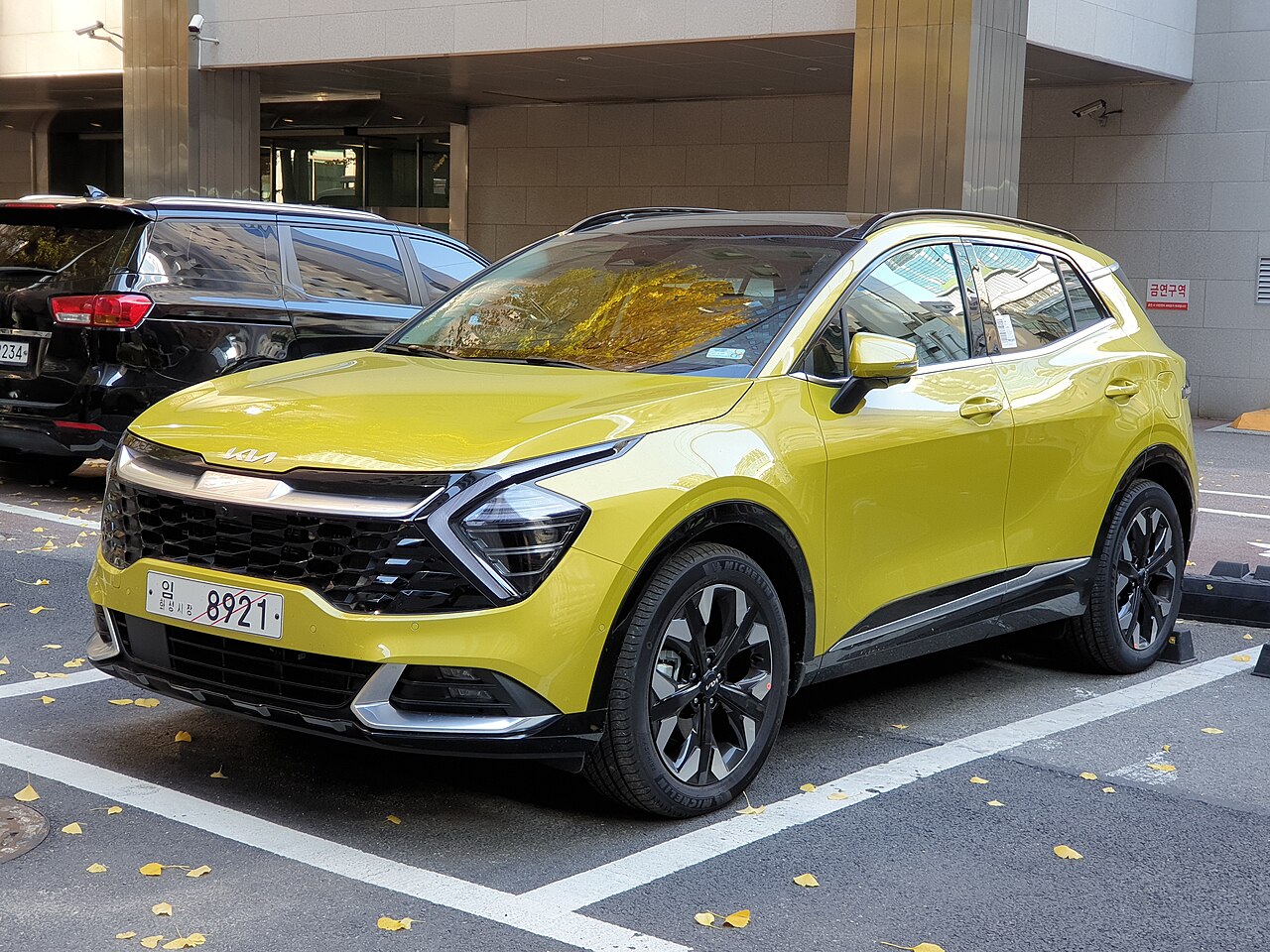
For buyers weighing options between a plug-in hybrid and a pure electric small sport utility vehicle, the 2027 Kia Sportage Plug-in Hybrid and 2026 Tesla Model Y Standard RWD represent two distinct approaches with meaningful tradeoffs. The Kia extends driving range using both gasoline and electric powertrains, while Tesla emphasizes high electric efficiency and a pure battery-electric drivetrain.
Key Findings
- The 2027 Kia Sportage Plug-in Hybrid offers an EPA-estimated total range of 470 miles, surpassing the 2026 Tesla Model Y Standard RWD’s 303 miles.
- Efficiency differences are stark: Tesla achieves a combined EPA rating of 131 MPGe, compared to Kia’s 36 MPGe.
- Both vehicles report zero NHTSA recalls as of the latest data.
- The Kia’s plug-in hybrid system allows a much shorter Level 2 charging time of 2 hours, versus Tesla’s 10 hours.
- The Tesla is a two-wheel-drive electric vehicle with high urban and highway electric efficiency, while the Kia combines a four-wheel-drive system with mixed power sources.
EPA Range Comparison: Pure EV vs Plug-in Hybrid
The Kia Sportage PHEV’s EPA estimated total range of 470 miles benefits from its hybrid powertrain, which uses both electric battery and gasoline engine fuel, extending its travel capability without immediate recharging. The Tesla Model Y Standard RWD’s range of 303 miles represents the distance achievable purely on battery power before recharging is necessary.
Buyers prioritizing longest uninterrupted trip capability might favor the Kia due to its flexible fueling options. Those committed to zero gasoline use and preferring a fully electric driving experience should consider the Tesla’s pure EV range.
Efficiency Ratings: MPGe Differences Matter
MPGe, or miles per gallon gasoline equivalent, measures energy efficiency for electric and hybrid vehicles. Tesla’s 131 MPGe indicates it requires significantly less energy to travel the same distance compared to Kia’s 36 MPGe. This large efficiency gap reflects Tesla’s focus on an optimized electric powertrain without the weight and complexity of a dual propulsion system.
Within city driving, Tesla’s efficiency reaches 142 MPGe, slightly higher than its highway rating of 120 MPGe. The Kia’s city and highway MPGe ratings are 35 MPGe and 36 MPGe, respectively, showing steadier but much lower overall efficiency.
Charging Time and Convenience
One advantage of the Kia’s PHEV design is a notably faster EPA-rated Level 2 charging time of just 2 hours to fully charge its smaller electric battery. The Tesla Model Y, with its larger battery pack, requires an EPA estimated 10 hours at the same 240V charging level.
This means that for shorter daily electric-only usage, Kia owners can quickly recharge at home or public Level 2 stations and rely on gasoline for longer trips. Tesla owners should plan for longer charging sessions but benefit from extensive Supercharger network fast-charging options (not EPA-rated).
Drive Configurations & Intended Use
The Tesla Model Y Standard RWD is a rear-wheel-drive vehicle with a pure electric powertrain. It targets buyers seeking an efficient, battery-electric experience with smooth acceleration and no gasoline use.
The Kia Sportage PHEV offers four-wheel drive, which may appeal to drivers needing added traction in varying conditions. Its hybrid architecture allows longer trips without concern for electric range or charging availability, favoring users who want electric driving capability complemented by gasoline range assurance.
Recall and Reliability Overview
Both vehicles currently show zero NHTSA recalls. While this data is reassuring, it only reflects reported safety recalls and does not measure general vehicle reliability or owner satisfaction.
Summary Table of Key Specs
| Specification | 2026 Tesla Model Y Std RWD | 2027 Kia Sportage PHEV 4WD |
|---|---|---|
| EPA Total Range | 303 miles | 470 miles |
| Combined MPGe | 131 MPGe | 36 MPGe |
| City MPGe | 142 MPGe | 35 MPGe |
| Highway MPGe | 120 MPGe | 36 MPGe |
| Drive Type | 2WD (Rear) | 4WD |
| EPA Level 2 Charge Time | 10 hours | 2 hours |
| NHTSA Recall Count | 0 recalls | 0 recalls |
Frequently Asked Questions
Which vehicle offers longer driving range without refueling or charging?
The Kia Sportage PHEV’s EPA combined range of 470 miles is higher than the Tesla Model Y’s 303 miles due to its gasoline engine supplementing the electric battery.
How does energy efficiency compare between the two?
The Tesla Model Y achieves a far superior combined efficiency rating of 131 MPGe, more than three times the Kia’s 36 MPGe, reflecting its pure electric drivetrain.
Are there any outstanding safety recalls on either model?
Both vehicles have 0 recalls reported by NHTSA as of the current data.
Which vehicle charges faster on a Level 2 charger?
The Kia Sportage PHEV charges in approximately 2 hours, significantly faster than the Tesla Model Y’s 10 hours at 240V.
What drivetrain options do these vehicles offer?
The Tesla Model Y Standard is a rear-wheel-drive electric vehicle, while the Kia Sportage PHEV uses a four-wheel-drive configuration with hybrid electric/gas power.
Conclusion: Choosing Between Extended Range or Electric Efficiency
Choosing between the 2027 Kia Sportage Plug-in Hybrid and the 2026 Tesla Model Y Standard RWD boils down to personal priorities. The Kia’s extended EPA range and four-wheel drive offer flexibility, longer trips without charge stops, and varied driving conditions, at the cost of substantially lower electric efficiency.
In contrast, the Model Y’s strong electric efficiency and pure battery electric platform make it ideal for drivers focused on zero-emission commuting with ample range for most daily needs and lower energy costs. Its longer recharge time and lack of gasoline backup require more charging planning.
Prospective buyers should weigh these factors carefully, considering driving habits, access to charging infrastructure, and preference for all-electric driving versus plug-in hybrid versatility.
Data Sources
- EPA Fuel Economy Data, 2026 & 2027 Model Year Vehicles: fueleconomy.gov
- NHTSA Vehicle Recall Data API: api.nhtsa.gov