Tesla Alternatives · EVCar Data Desk
BMW 550e vs Tesla Cybertruck: Range, Efficiency, and Recalls Compared

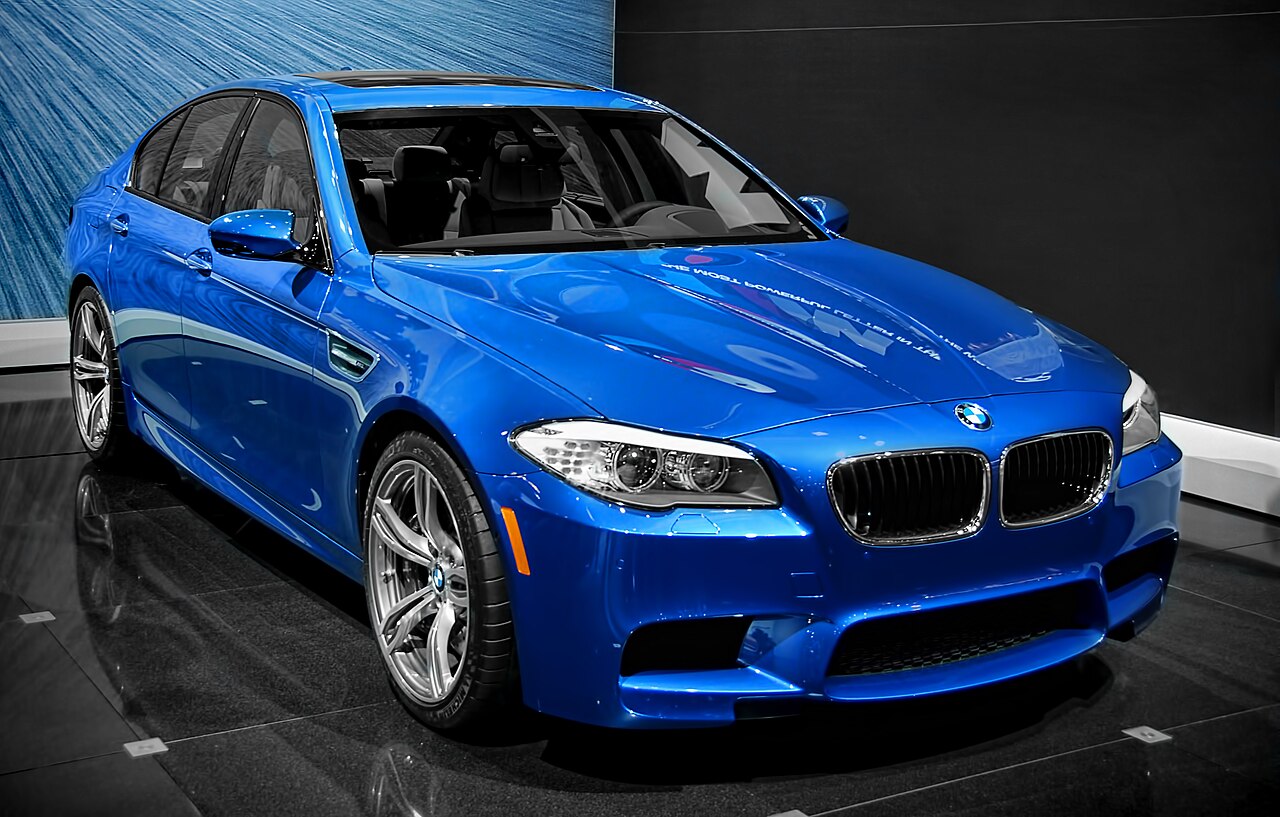
When choosing between the 2027 BMW 550e xDrive sedan and the 2026 Tesla Cybertruck Dual Motor AWD pickup, buyers face a tradeoff between driving range, energy efficiency, and vehicle type. The BMW 550e provides an impressive EPA range that surpasses the Tesla, but it delivers much lower miles per gallon equivalent (MPGe), indicating less efficient energy use per mile. Meanwhile, both vehicles have no recorded recalls according to NHTSA, suggesting comparable reliability on new car issues. Charging time also varies considerably, with the BMW achieving a faster Level 2 charge than the Tesla Cybertruck. Understanding these differences helps identify which model aligns better with specific driving and lifestyle needs.
Key Findings
- The 2027 BMW 550e sedan has an EPA range of 430 miles, exceeding the Cybertruck's 325 miles.
- The Tesla Cybertruck offers significantly better overall energy efficiency at 78 MPGe combined, compared to the BMW's 25 MPGe.
- Both vehicles have zero NHTSA recalls recorded as of August 2026.
- The BMW charges faster on Level 2 AC power, taking 2.0 hours versus the Cybertruck's 12.0 hours.
- The Cybertruck’s efficiency advantage is consistent across city (87 MPGe) and highway (70 MPGe) driving.
Range and Usage Considerations
The BMW 550e’s EPA range of 430 miles is notably longer than the Cybertruck’s 325 miles. For buyers prioritizing maximum distance per charge, especially commuters or road travelers who want fewer charging stops, the BMW provides a clear advantage despite being a midsize sedan rather than a pickup. Range differences are substantial in absolute terms but keep in mind that the Cybertruck’s purpose as a standard pickup truck means its typical use patterns might differ, including heavier loads and towing requirements that can affect real-world range.
Energy Efficiency and Operating Costs
The Tesla Cybertruck’s combined MPGe of 78 MPGe far outstrips the BMW 550e’s 25 MPGe. MPGe measures how efficiently a vehicle uses energy, with higher values indicating lower energy consumption per mile. This means the Cybertruck delivers better electric range per unit of electricity consumed, which translates to lower operating energy costs under typical driving conditions. Efficiency differences hold across city (BMW 22 MPGe vs Tesla 87 MPGe) and highway (BMW 28 MPGe vs Tesla 70 MPGe) driving.
Charging Time: Convenience and Practicality
Charging speed is another practical difference. The BMW 550e charges from a 240V Level 2 outlet in just 2.0 hours, enabling rapid replenishment of its battery during daily stops at home or work. In contrast, the Tesla Cybertruck takes 12.0 hours under the same charging conditions, reflecting a much larger battery pack necessitating longer charging sessions. This tradeoff might influence buyers who value quick turnaround charging over total battery capacity.
Vehicle Class Implications
The BMW is a traditional midsize sedan, designed for on-road comfort, passenger space, and efficient commuting. Conversely, the Tesla Cybertruck is a standard pickup truck with 4WD capabilities, appealing to buyers needing cargo versatility, off-road capacity, or towing. Though range and efficiency numbers favor the BMW in different ways, the vehicle type difference is crucial for buyer alignment to lifestyle needs. For someone who demands a pickup bed or rugged utility, the Tesla solves those needs with better efficiency than typical trucks. For buyers focused on long-range daily driving in a comfortable sedan, the BMW holds appeal.
Recall and Reliability Status
Both the BMW 550e and Tesla Cybertruck report zero recalls from the National Highway Traffic Safety Administration (NHTSA) as of the latest data. This parity suggests no outstanding safety or defect issues impacting new buyers of either vehicle at this time and places recall concerns out of the decision equation for these models.
| Specification | 2027 BMW 550e | 2026 Tesla Cybertruck Dual Motor AWD |
|---|---|---|
| EPA Range | 430 miles | 325 miles |
| Combined MPGe | 25 MPGe | 78 MPGe |
| City MPGe | 22 MPGe | 87 MPGe |
| Highway MPGe | 28 MPGe | 70 MPGe |
| Level 2 Charge Time (240V) | 2.0 hours | 12.0 hours |
| NHTSA Recall Count | 0 recalls | 0 recalls |

Frequently Asked Questions
Which vehicle offers longer driving range on a single charge?
The 2027 BMW 550e provides a longer EPA-rated driving range of 430 miles compared to the Tesla Cybertruck's 325 miles.
Which model is more energy efficient?
The Tesla Cybertruck is substantially more efficient, with a combined rating of 78 MPGe versus the BMW 550e's 25 MPGe.
How do the two vehicles compare in charging time?
The BMW charges much faster on Level 2 AC power, taking roughly 2 hours, while the Cybertruck takes about 12 hours.
Are there any recall concerns for these vehicles?
As of the latest data from NHTSA, both vehicles have zero recalls reported.
How do their driving types differ?
The BMW 550e is a midsize sedan suited for commuting and comfortable on-road driving, while the Tesla Cybertruck is a standard pickup truck with all-wheel drive, designed for utility and off-road capability.
Conclusion
The choice between the 2027 BMW 550e and the 2026 Tesla Cybertruck Dual Motor AWD hinges largely on priorities between range, efficiency, vehicle type, and charging convenience. The BMW’s longer EPA range and rapid Level 2 charge appeal to drivers seeking extensive travel distance with minimal charging downtime within a midsize sedan package. The Tesla Cybertruck, on the other hand, delivers far superior energy efficiency and the versatility of a modern pickup with zero recalls, at the cost of longer charging times and a shorter EPA range. Buyers wanting a Tesla alternative with sedan comfort and range may prefer the BMW, while those needing pickup utility with lower operational energy expenses may find the Cybertruck more compelling.