Best Electric Cars · EVCar Data Desk
2027 Volvo EX90 vs Kia Sportage PHEV: EPA Range and Recall Facts Compared
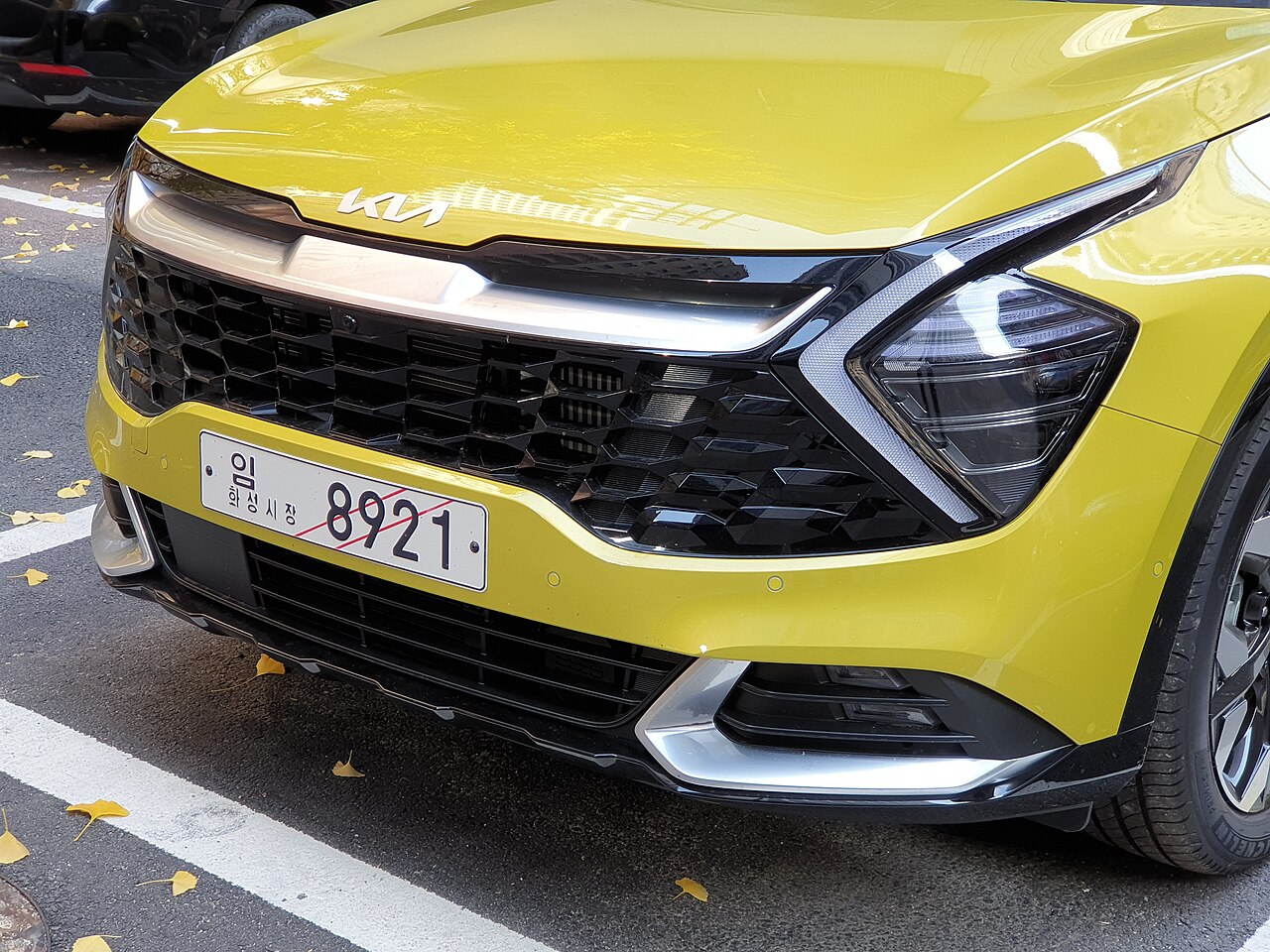
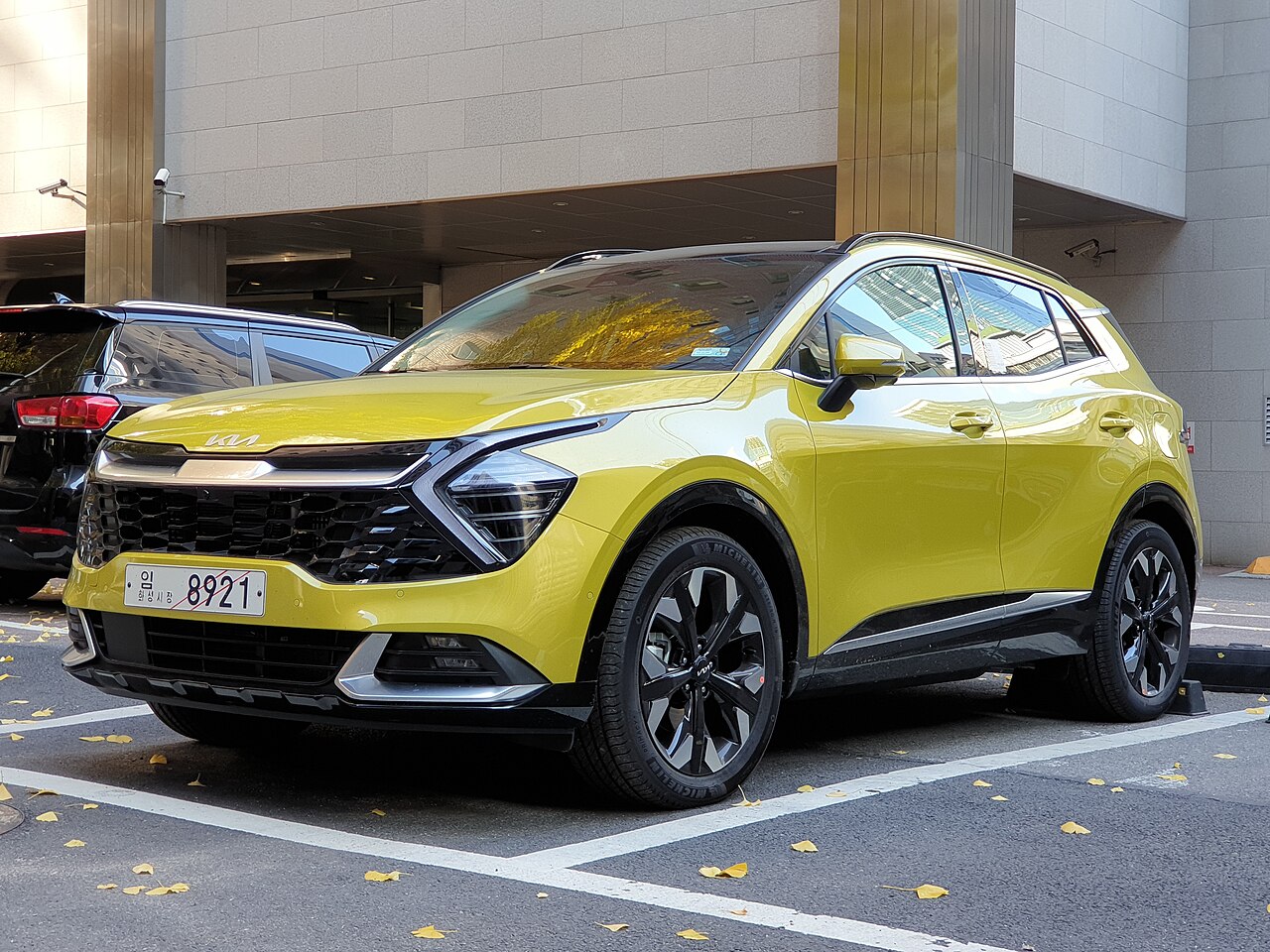
Choosing between the 2027 Volvo EX90 Twin Motor Performance and the 2027 Kia Sportage Plug-in Hybrid requires understanding how their EPA ratings and recall histories affect ownership. The Kia Sportage PHEV offers a significantly longer EPA driving range and faster charge time, making it appealing for those prioritizing extended travel without frequent charging. In contrast, the Volvo EX90 delivers superior electric efficiency and benefits from its fully electric powertrain, suited for drivers focused on MPG-equivalent economy and zero-emissions driving.
Key Findings
- The 2027 Kia Sportage PHEV has an EPA range of 470 miles, considerably surpassing the Volvo EX90’s 310 miles.
- The Volvo EX90 boasts a much higher combined efficiency at 89 MPGe versus the Sportage PHEV’s 36 MPGe.
- Both vehicles have zero recalls reported by NHTSA as of August 2026.
- The Kia Sportage charges significantly faster on 240V Level 2 with a time of 2 hours compared to the Volvo’s 11 hours.
- City and highway MPGe show the Volvo is consistently more efficient with 94 MPGe city and 83 MPGe highway compared to Kia’s 35 MPGe city and 36 MPGe highway.
EPA Range Comparison
The EPA range is a critical metric indicating how far a vehicle can travel on a full battery and fuel supply under standard test conditions. The 2027 Kia Sportage PHEV’s EPA range of 470 miles far exceeds the 2027 Volvo EX90’s 310 miles. This large difference stems from the Sportage’s plug-in hybrid powertrain, which combines electric driving with a gasoline engine, maximizing overall driving distance without recharging frequently. On the other hand, the EX90 is a fully electric SUV and relies solely on battery capacity for range. Buyers who frequently take long trips without access to charging infrastructure may find the Kia’s extended range beneficial.
MPGe Efficiency Insights
MPGe measures the equivalent miles per gallon when running on electricity instead of gasoline, reflecting electric efficiency. The Volvo EX90 registers a combined MPGe of 89 MPGe, more than double the Kia Sportage PHEV’s 36 MPGe. This indicates the EX90 is significantly more efficient when driving in electric mode alone. In city driving, the EX90 achieves 94 MPGe, and on highways 83 MPGe, compared to the Sportage’s respective ratings of 35 MPGe and 36 MPGe. Buyers prioritizing pure electric driving efficiency may prefer the EX90’s advanced electric drivetrain.
Charging Times and Convenience
Charging speed affects convenience for electric vehicle owners. The Kia Sportage PHEV requires about 2 hours to fully charge on a 240V Level 2 charger, making recharging relatively quick for typical usage. The Volvo EX90, however, takes substantially longer at 11 hours, reflecting its larger battery pack and fully electric design. This means the EX90 fits best with users who can charge overnight or have access to fast DC charging elsewhere. The Sportage’s quicker Level 2 charge time supports more flexible daily use for drivers who rely on plug-in hybrid transitions between electric and gas propulsion.
Recall History for Buyer Confidence
Both 2027 models have zero recalls reported by the National Highway Traffic Safety Administration (NHTSA) as of August 2026. This aligns with high initial build quality and safety standards across new EVs and plug-in hybrids in this model year. Zero recalls provide peace of mind for prospective owners regarding vehicle safety and reliability.
Who Should Choose the 2027 Volvo EX90?
The EX90 suits buyers focused on all-electric driving with a high-efficiency motor and zero tailpipe emissions. Its advanced technology delivers a refined ride with long-range capability adequate for average daily commutes. Customers with easy access to charging infrastructure and a preference for a fully electric SUV will find the EX90 appealing. Its MPGe ratings show lower energy consumption per mile, reducing electric energy costs.
Who Should Choose the 2027 Kia Sportage PHEV?
The Sportage Plug-in Hybrid is better for those who want the flexibility of long trips without frequent recharging and the ability to switch to gasoline power as needed. Its standout EPA range and fast Level 2 charge time make it practical for drivers in areas with less extensive EV charging availability or those prioritizing range above electric-only efficiency. This model fits individuals needing a small SUV with hybrid versatility.
Summary Table: Key Figures
| Feature | 2027 Volvo EX90 Twin Motor Performance | 2027 Kia Sportage Plug-in Hybrid |
|---|---|---|
| EPA Range | 310 miles | 470 miles |
| Combined MPGe | 89 MPGe | 36 MPGe |
| City MPGe | 94 MPGe | 35 MPGe |
| Highway MPGe | 83 MPGe | 36 MPGe |
| 240V Level 2 Charge Time | 11 hours | 2 hours |
| NHTSA Recall Count | 0 recalls | 0 recalls |

Frequently Asked Questions
What is the main difference in EPA range between these two SUVs?
The Kia Sportage PHEV offers a longer EPA estimated driving range of 470 miles compared to the Volvo EX90’s 310 miles, mainly due to its gasoline hybrid system.
Which vehicle is more energy efficient in electric mode?
The Volvo EX90 is more efficient with a combined MPGe of 89 MPGe, while the Kia Sportage PHEV has a combined rating of 36 MPGe.
How do their charging times compare?
The Kia charges faster at 2 hours on a 240V Level 2 charger, versus the Volvo’s 11 hours, reflecting their differing battery sizes and powertrains.
Are there any recalls for these models?
As of August 2026, both vehicles have zero recalls listed in the NHTSA database.
Which SUV is better for buyers with limited charging options?
The Kia Sportage PHEV, with its extended range and hybrid gasoline backup, offers more flexibility for those with limited access to charging infrastructure.
Conclusion
Deciding between the 2027 Volvo EX90 Twin Motor Performance and the 2027 Kia Sportage Plug-in Hybrid depends on buyer priorities: the EX90 prioritizes electric efficiency and zero-emissions driving with a high MPGe but offers a shorter EPA range and longer charge time. The Sportage PHEV provides notably greater total range and quicker charging, suitable for drivers needing hybrid versatility and less reliance on charging networks. Both have clean safety records with zero recalls, so the choice rests on balancing electric-only efficiency against extended range and charging convenience.
Data Sources
- EPA fuel economy and range data from EPA Vehicle Dataset, retrieved August 2026.
- Recall data from the National Highway Traffic Safety Administration (NHTSA) API, retrieved August 2026.