What the data says
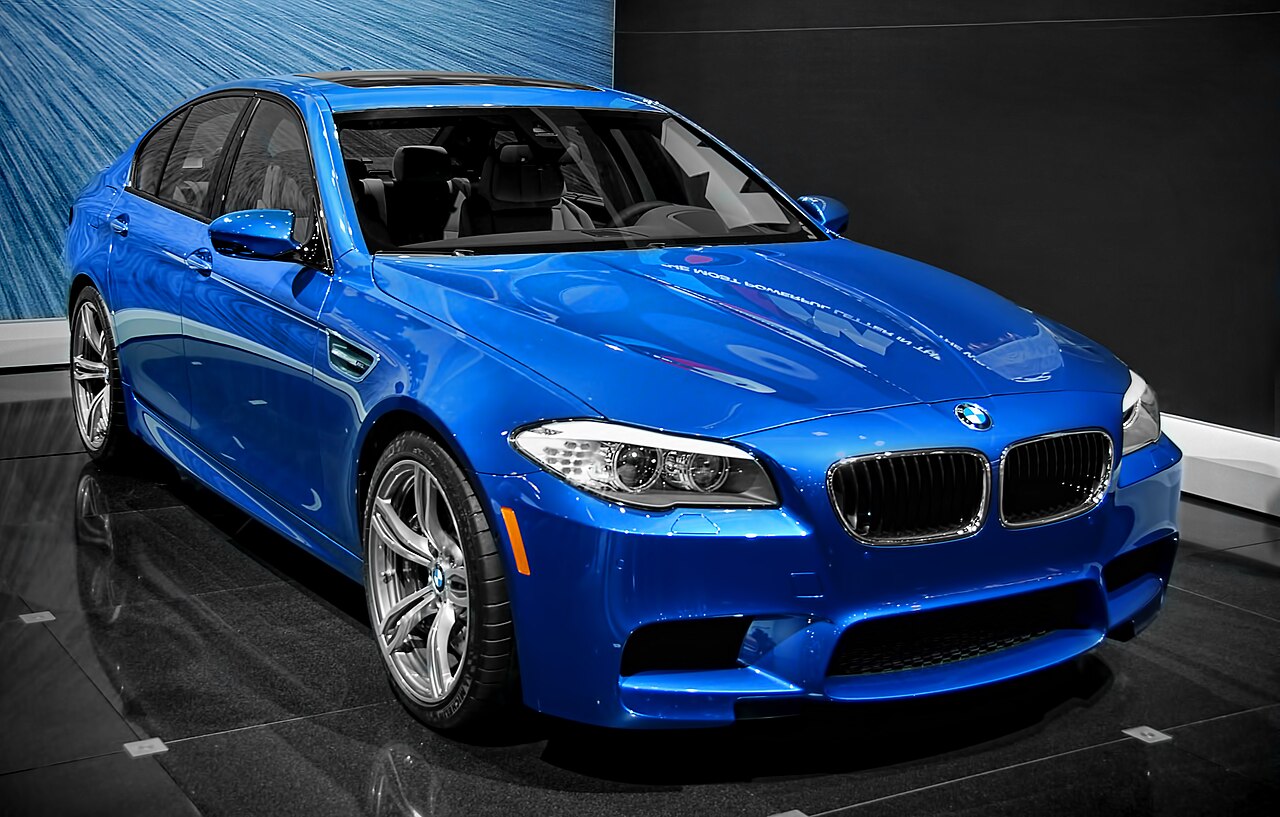
EPA lists the BMW i7 eDrive50 Sedan (20 inch Wheels) in the Large Cars class with an estimated range of 301 miles. Among the 326 battery-electric 2025 models in our EPA dataset, that ranks #123 by range, 4% above the model-year median of 289 miles.
EPA rates its combined efficiency at 85 MPGe, or about 39.6 kWh per 100 miles. That places it #187 of 326 for efficiency in its model year; the typical 2025 EV is rated 88 MPGe (38.3 kWh per 100 miles), so this model uses more energy per mile than the middle of the field.
At the latest EIA U.S. residential electricity price of 18.16 cents per kWh, driving 12,000 miles a year would draw roughly 4,758 kWh and cost about $864 if you charge at home. A 28-mpg gasoline car covering the same distance at $4.31 per gallon would spend about $1,847 on fuel, a gap of roughly $983 per year. Public fast charging usually costs more than home power, so run your own numbers in the EV vs gas calculator.
On a Level 2 (240-volt) home or workplace charger, EPA estimates about 12.0 hours for a full charge. That works out to roughly 25 miles of range added per hour plugged in, so an overnight session of eight hours covers about 67% of the battery.
NHTSA lists 2 recall campaigns for this model; the most recent are summarized below. Confirm whether a specific vehicle has been repaired by entering its VIN on nhtsa.gov.