EV Charging Stations · EVCar Data Desk
What It Costs to Charge the 2027 VW ID. Buzz Minivan in the US
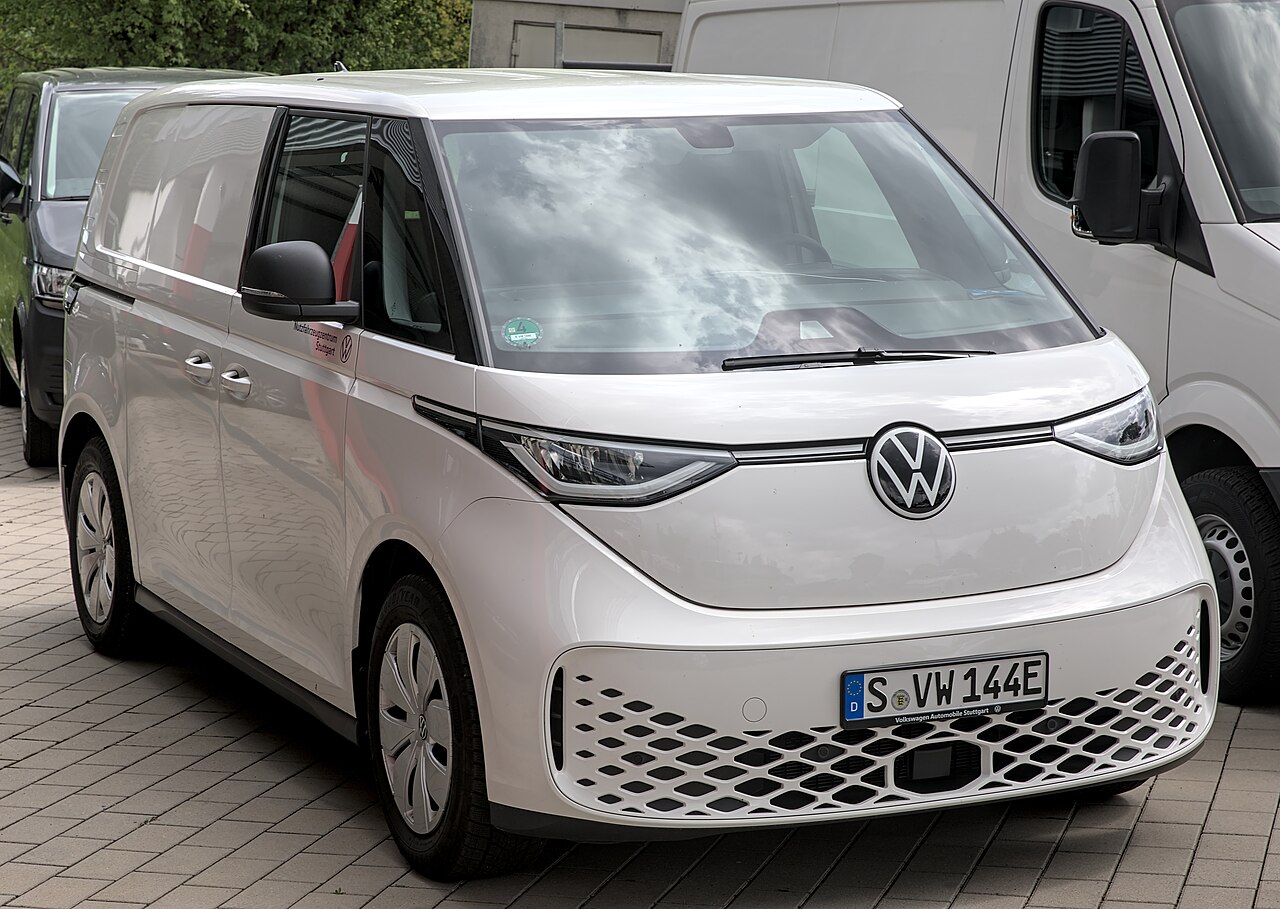
The 2027 Volkswagen ID. Buzz Minivan in its 2WD version offers a practical electric mobility option, with charging costs that can be clearly understood by examining its EPA efficiency and the average US residential electricity price. Buyers can expect the cost to drive this EV on electric power to be economical, situated within typical rates for electric vehicles.
Key Findings
- The ID. Buzz 2WD achieves an EPA-rated combined efficiency of 87 MPGe, reflecting its electric energy usage equivalence.
- EPA-estimated driving range per full charge is 245 miles, balancing range and utility for daily driving.
- Energy consumption translates to 38.7 kWh per 100 miles, which is moderate for a minivan-sized EV.
- Charging cost to travel 100 miles at US average residential rates is about $7.1, providing a low-cost driving option compared to gasoline vehicles.
- Fully charging the battery to maximize range costs roughly $17.4 under typical home electricity pricing.
Understanding EPA Efficiency and Range for Buyers
The combined efficiency rating of 87 MPGe measures how many miles the vehicle can travel electrically using energy equivalent to one gallon of gasoline. While direct mileage comparisons with gasoline vehicles are imperfect, this figure indicates the ID. Buzz 2WD is efficient for its size class. Efficiency affects energy consumption, which in turn determines charging costs.
The EPA range of 245 miles represents the estimated distance achievable on a single full battery charge following regulatory driving cycles. This range should meet the needs of most daily drivers and family trips, but actual range varies with conditions like weather, terrain, and accessory use.
Energy Consumption Implications
Energy use of 38.7 kWh per 100 miles indicates how many kilowatt-hours the vehicle draws from the battery to travel 100 miles. This metric helps estimate charging times and the electrical demand on charging infrastructure, valuable for planning home charging setups or trips along long routes.
Calculating Charging Costs at Home
Using the US average residential electricity price of 18.34 cents per kWh, charging costs can be reliably estimated. For every 100 miles driven, the cost is around $7.1. Fully recharging the vehicle’s battery to reach its maximum range will cost approximately $17.4. These figures offer a straightforward way for drivers to budget their electric driving expenses.
Who Should Consider the ID. Buzz 2WD?
This EV suits buyers seeking an electric minivan with a balance of range and efficiency. Families or individuals whose daily driving distances align with or remain below EPA range will benefit from the cost-per-mile savings. The charging cost profile makes it economical to run, especially when charged at home during off-peak hours.
Limitations to Keep in Mind
The EPA ratings represent standardized test conditions. Real-world range and efficiency vary by user behavior, climate, terrain, and load. Electricity prices differ across regions and time, which can impact actual charging costs. Also, public fast charging costs are typically higher than home rates, affecting cost calculations for non-home charging scenarios.
| Metric | Value | Units |
|---|---|---|
| Combined MPGe | 87 | MPGe |
| EPA Range | 245 | miles |
| Energy Use per 100 miles | 38.7 | kWh |
| Residential Electricity Price | 18.34 | cents/kWh |
| Charging Cost per 100 miles | 7.1 | dollars |
| Full Charge Cost | 17.4 | dollars |
Frequently Asked Questions
What is MPGe and why does it matter for cost calculations?
MPGe stands for miles per gallon equivalent, indicating how many miles an EV can travel using energy equal to the energy in one gallon of gasoline. While it doesn’t directly affect charging cost, it helps estimate energy consumption and efficiency, which relate directly to electricity costs.
How does the EPA range reflect real driving in the ID. Buzz?
EPA range is a standardized measure useful for comparison, but actual range varies depending on driving style, speed, climate, and terrain. Drivers may see shorter or longer ranges in daily use.
What influences the per-mile charging cost at home?
Charging cost depends on the electricity rate charged by your utility and how efficiently the vehicle uses energy (kWh/100 miles). Regional electricity prices and charging habits influence actual costs.
Is charging the ID. Buzz expensive compared to gasoline vehicles?
Charging costs for the ID. Buzz are generally lower than fueling a gasoline vehicle per mile, especially given the efficient electricity use and average US electricity rates.
Are public charging costs reflected in these estimates?
No, this analysis uses average residential electricity prices. Public charging often costs more, so actual expenses can vary if relying on public chargers frequently.
Conclusion: A Practical Cost Profile for Urban and Family EV Use
The 2027 Volkswagen ID. Buzz Minivan 2WD presents a clear, affordable electric vehicle option for buyers needing a spacious EV with moderate range and solid efficiency. Its charging costs at home are competitive and easy to estimate, allowing owners to budget effectively. While real-world numbers depend on many factors, these EPA-based figures provide a credible baseline for evaluating running costs.
Data Sources
- EPA Fuel Economy Data: https://fueleconomy.gov/feg/epadata/vehicles.csv
- US Residential Electricity Price (EIA): https://api.eia.gov/v2/seriesid/ELEC.PRICE.US-RES.M