Best Electric Cars · EVCar Data Desk
Volvo EX90 vs BMW M5: EPA Range and Recall Insights for 2027
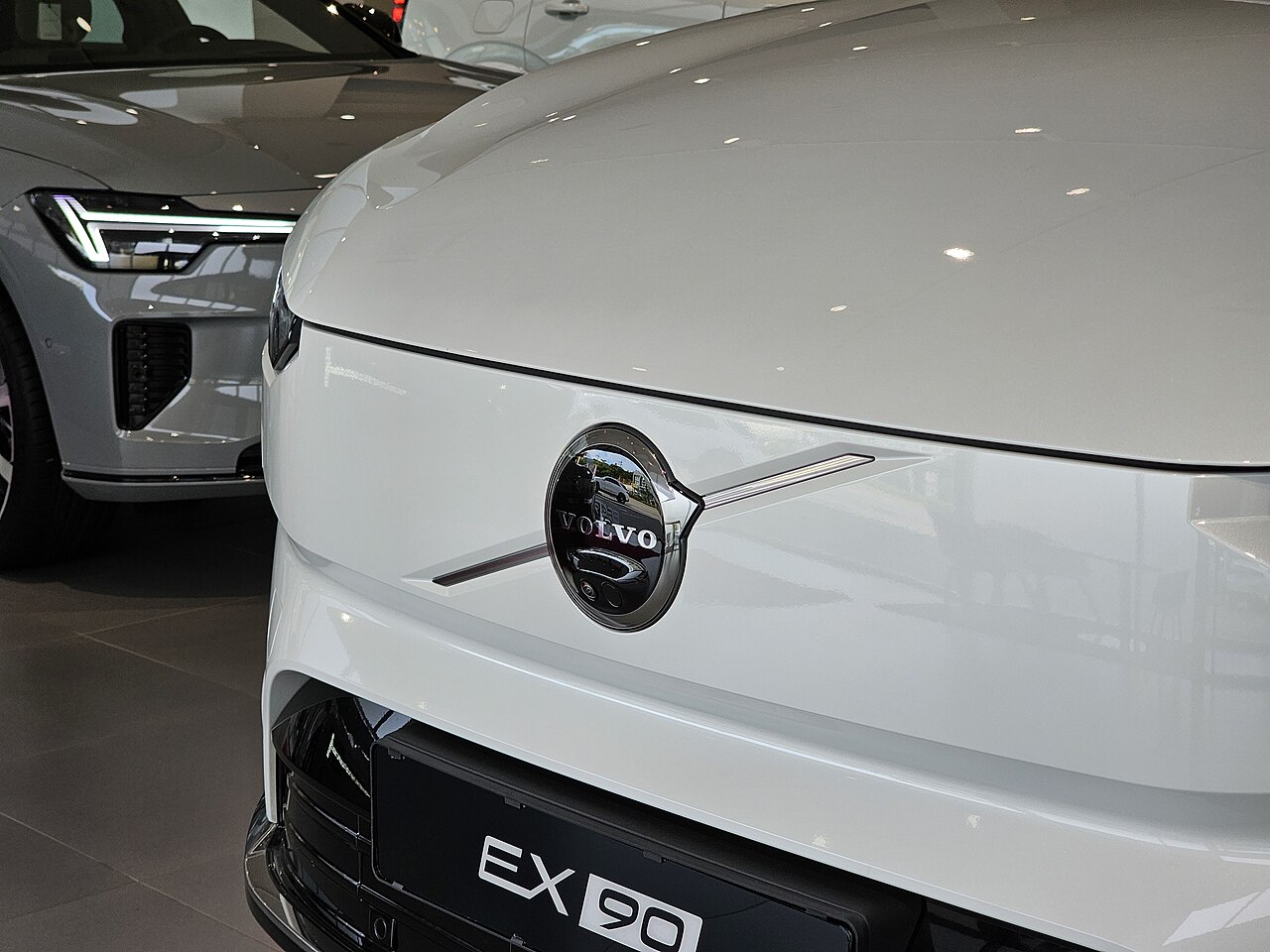
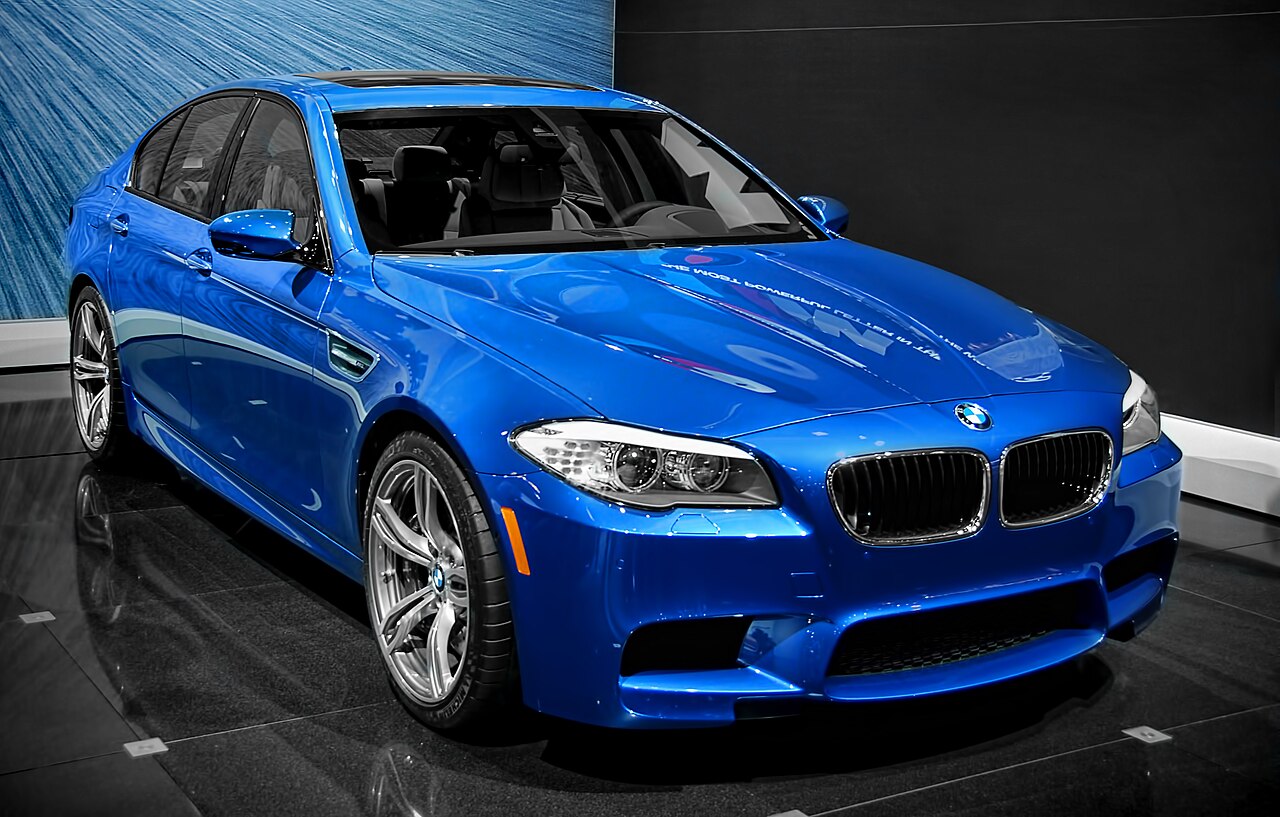
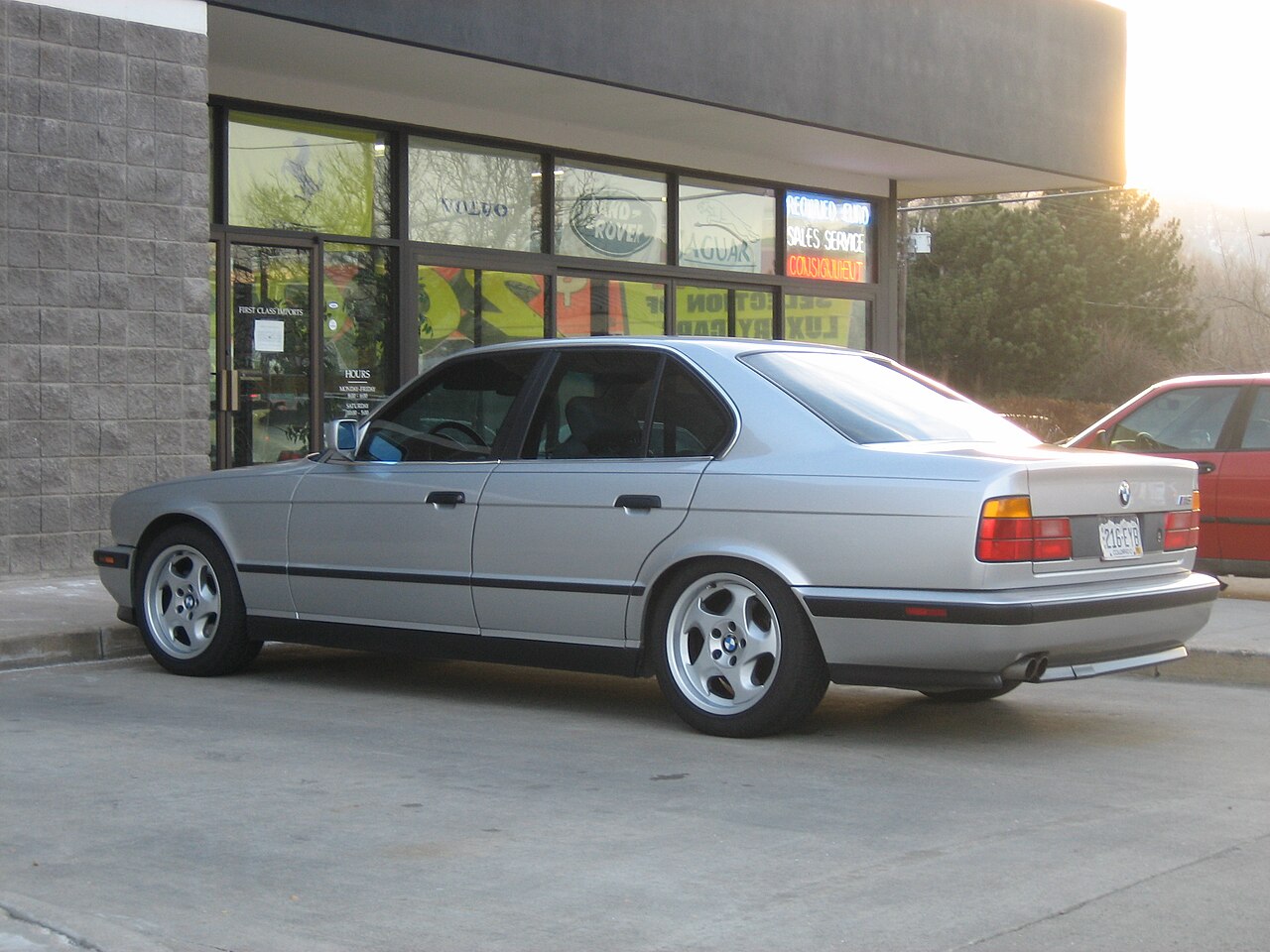
When choosing between the 2027 Volvo EX90 and the 2027 BMW M5, the Volvo EX90 stands out for its superior EPA range and electric efficiency. Both vehicles have no open recalls according to NHTSA data, making safety concerns equivalent from a recall perspective. However, key differences in MPGe ratings and charging times influence which vehicle suits specific buyers.
Key Findings
- The 2027 Volvo EX90 has an EPA-rated range of 300 miles compared to the BMW M5's 280 miles.
- Volvo's EX90 delivers a combined MPGe of 87 MPGe, vastly outperforming the BMW M5's 14 MPGe, reflecting its all-electric design versus the M5's hybrid or gasoline setup.
- Charging times differ significantly: the Volvo EX90 requires approximately 11 hours for a full 240V charge, while the BMW M5 can recharge in just 2 hours.
- Both vehicles currently have zero recalls reported by NHTSA, indicating no known safety-related defects at this time.
- The Volvo EX90 is optimized for city and highway efficiency with 92 MPGe in city driving and 82 MPGe on highways; the BMW M5 shows lower but mixed ratings: 12 MPGe city and 19 MPGe highway.
Range Comparison: Who Goes Farther?
The 300 mile EPA range of the Volvo EX90 Twin Motor Performance makes it more suitable for drivers prioritizing longer electric-only travel distances without recharging. The BMW M5's EPA range of 280 miles is respectable but slightly less, reflecting its different powertrain emphasis on performance rather than pure EV range.
Efficiency and MPGe Ratings
MPGe ratings reveal the stark contrast in powertrain technologies. The Volvo EX90’s combined MPGe of 87 is typical for modern fully electric SUVs, indicating efficient energy use. In contrast, the BMW M5’s combined MPGe of 14 reflects a performance-focused setup with much lower electric or fuel efficiency.
For urban drivers, the EX90 shines with a city MPGe of 92 compared to the M5’s 12, a significant difference that impacts likely energy costs and emissions.
Charging Times and Practicality
Charging speed is another crucial factor. The Volvo EX90 requires approximately 11 hours to fully charge at 240V, reflecting its large battery pack size designed for maximum range. For some users, especially those without access to fast chargers, this could be a limitation due to longer downtime.
Conversely, the BMW M5 charges fully in just 2 hours, suggesting a smaller battery or hybrid system allowing quicker turnaround times, which may benefit users needing frequent quick charging or use in varied driving conditions.
Recall History and Safety Considerations
Both the Volvo EX90 and BMW M5 currently have zero recalls reported by the NHTSA, indicating no active safety or defect issues as of the latest 2026 data. Prospective buyers can be reassured that neither vehicle is burdened by unresolved manufacturer recalls.
Who Should Choose Which?
Buyers focused on maximum electric driving range and efficiency with modern SUV styling likely prefer the Volvo EX90. Its higher MPGe and longer range support extended commutes or family travel with minimal charging frequency.
The BMW M5 could appeal to those prioritizing performance and faster charging, accepting somewhat lower efficiency in exchange for the vehicle’s driving dynamics and quicker turnaround times on charging breaks.
| Metric | Volvo EX90 | BMW M5 |
|---|---|---|
| EPA Range | 300 miles | 280 miles |
| Combined MPGe | 87 MPGe | 14 MPGe |
| City MPGe | 92 MPGe | 12 MPGe |
| Highway MPGe | 82 MPGe | 19 MPGe |
| 240V Charge Time | 11.00 hours | 2.00 hours |
| NHTSA Recalls | 0 recalls | 0 recalls |
Frequently Asked Questions
What is the EPA range difference between these vehicles?
The Volvo EX90 has an EPA range of 300 miles, which is slightly higher than the BMW M5's 280 miles.
Which vehicle is more energy efficient?
The Volvo EX90 is much more efficient with a combined MPGe of 87 compared to the BMW M5’s 14.
Are there any open recalls on these 2027 models?
No, both the Volvo EX90 and BMW M5 have zero recalls reported by NHTSA for 2027 models.
How do charging times compare?
The Volvo EX90 takes about 11 hours to charge at 240V, considerably longer than the BMW M5's 2 hours.
Which vehicle is better for city driving efficiency?
Volvo EX90 leads with 92 MPGe in city driving versus the BMW M5’s 12 MPGe, making it the better choice for urban efficiency.
Conclusion
The 2027 Volvo EX90 offers superior EPA range and efficiency for buyers focused on electric driving with zero active recalls, making it a strong candidate for those valuing sustainability and range. Meanwhile, the BMW M5 provides faster charging and performance-oriented driving characteristics, though with significantly lower MPGe. Neither vehicle currently has outstanding recalls, so prospective buyers can base their choice primarily on their priorities for electric range, efficiency, and charging convenience.
Data Sources
- EPA Fuel Economy Data: fueleconomy.gov
- NHTSA Recall Data: api.nhtsa.gov