EV Maintenance Tips · EVCar Data Desk
R1T Maintenance Checklist: Range, Efficiency, and Recall Checks
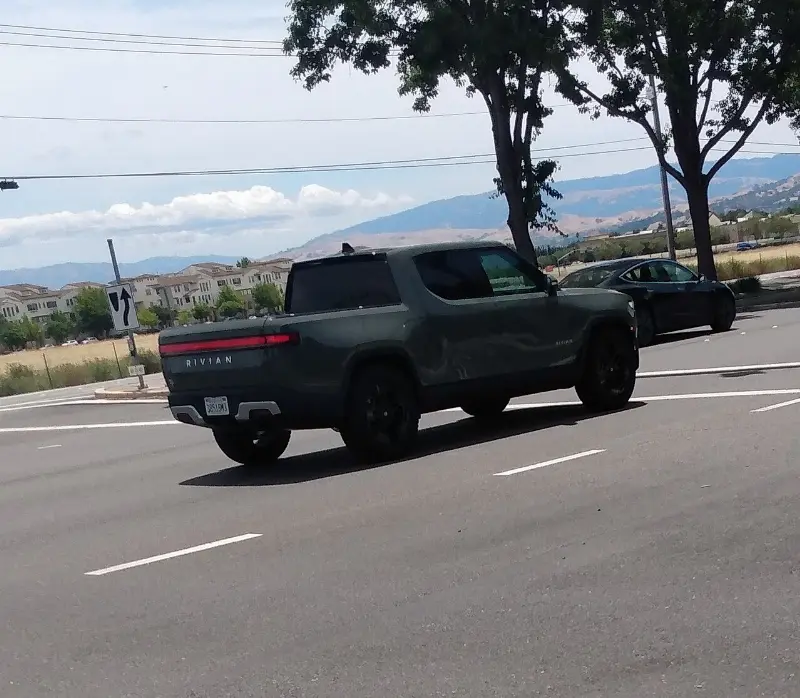
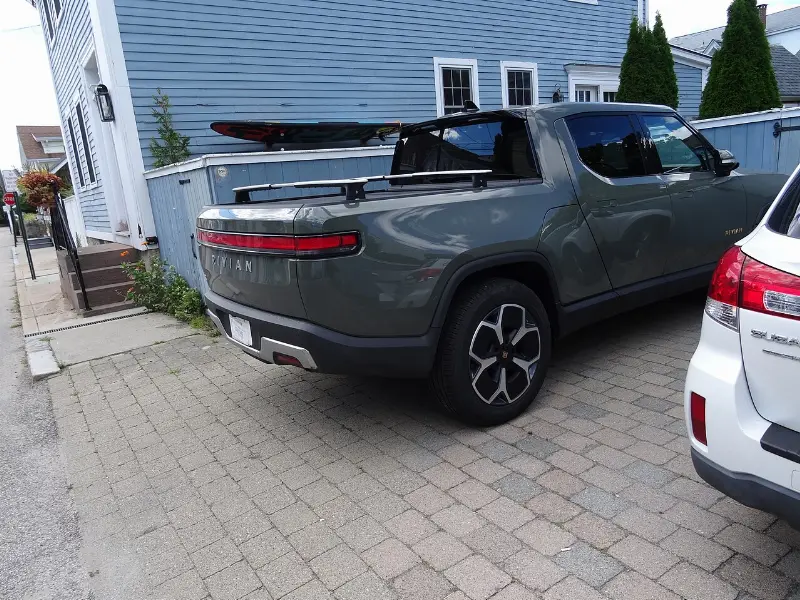
The 2022 Rivian R1T Standard combines an EPA range above the median for its model year with combined efficiency below the median. For a maintenance-minded buyer, the useful approach is to track how the truck’s range and energy use behave in your own driving, follow Rivian’s current vehicle guidance, and check the specific VIN for open recalls. EPA ratings describe standardized test results; they do not predict every trip or establish the truck’s condition.
Key Findings
- The EPA rates this R1T at 314 miles of range, ranking it #21 among #21; the field median is 258 miles.
- Combined efficiency is 70 MPGe, below the 96 MPGe median. Its market rank is #82 among #82.
- EPA city and highway ratings are 74 MPGe and 66 MPGe, respectively. Driving conditions affect real-world results.
- The EPA listing reports a 13.00 hours Level 2 charge-time figure. Treat it as a reference rating, not a guarantee for a particular home setup.
- No model-year recall count was supplied. Check the R1T’s VIN in NHTSA’s recall lookup before purchase and periodically afterward.
R1T EPA Figures at a Glance
| Measure | EPA or EVCar figure | Buyer context |
|---|---|---|
| EPA range | 314 miles | Ranked #21 among #21; median: 258 miles |
| Combined efficiency | 70 MPGe | Ranked #82 among #82; median: 96 MPGe |
| City efficiency | 74 MPGe | EPA city-cycle result |
| Highway efficiency | 66 MPGe | EPA highway-cycle result |
| EPA Level 2 charge time | 13.00 hours | Reference value in the EPA listing |
| Estimated annual home-charging cost | 1049 dollars | EVCar estimate based on 1049 dollars and the latest EIA U.S. residential electricity price used in the calculation |
Use Range as a Baseline, Not a Promise
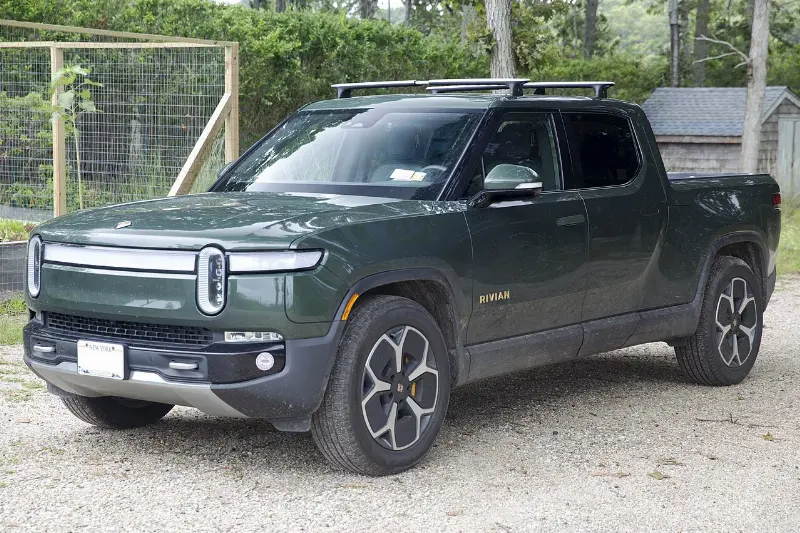
The EPA figure gives the R1T a relatively strong range position in the 2022 battery-electric dataset: its rank is near the longer-range end, and its rating is above the dataset median. That can help when comparing vehicles on standardized efficiency information, but the rating is not a maintenance forecast or a guarantee of remaining range in a used truck.
For ongoing ownership, compare the truck’s displayed range and energy use under similar conditions over time. Note routes, weather, loads, driving patterns, and charging habits alongside changes you observe. These records can help distinguish an ordinary change in use from a persistent shift worth raising with Rivian service. The supplied EPA data does not identify a cause for any particular change.
Track Efficiency Without Treating MPGe as a Condition Report
The R1T’s combined rating sits below the model-year dataset median, and its ranking reflects that comparison. This is market context, not a diagnosis: MPGe does not tell you whether an individual truck has a defect, and it does not describe the battery’s present health.
The city-cycle figure is higher than the highway-cycle figure in the EPA listing. Use those as separate standardized reference points when thinking about the balance of city and highway use. For your own records, compare energy use across similar trips rather than drawing conclusions from one drive or comparing unlike routes.
EVCar estimates annual home-charging cost at 1049 dollars under an assumed annual distance of 1049 dollars and the latest EIA residential electricity price used at retrieval. Your result can differ with electricity rates, charging location, and how much energy you use. This estimate is a budget reference, not a service cost or a prediction of an individual owner’s bill.
Charging Checklist
- Review Rivian’s current owner information for charging instructions and vehicle-specific notices.
- Keep a record of charging behavior and any persistent change in the time or result you observe. Compare like conditions where possible.
- Use the EPA’s 13.00 hours Level 2 figure as a reference from the listing. Actual charging experience depends on the vehicle and charging setup; the supplied facts do not specify a home charger’s output.
- If charging behavior changes noticeably or a warning appears, document what happened and contact Rivian through its current service channels.
Routine Upkeep and Used-Truck Inspection
The supplied facts do not include a Rivian maintenance schedule, tire or brake service intervals, battery warranty terms, or repair prices. Do not infer those details from range or MPGe. Use the owner’s manual and current Rivian guidance for the specific vehicle and its configuration.
When assessing a used R1T, review available service and repair records, ask about unresolved warning messages or charging concerns, and arrange an inspection by a qualified provider familiar with the vehicle. Confirm that the truck’s equipment and condition match the seller’s description. EPA efficiency figures cannot establish the condition of a particular battery, tires, brakes, or other components.
Recall Checklist: Search by VIN
No NHTSA recall count is included in the supplied facts, so this article cannot report how many campaigns are on file for the model year. A model-year count, when available, is a count of campaigns in the database; it is not a reliability score. For a specific truck, use its VIN in NHTSA’s recall lookup at nhtsa.gov/recalls.
- Before buying, enter the vehicle’s VIN in NHTSA’s lookup and review any campaign details shown.
- Ask the seller for documentation showing whether applicable recall work was completed, then confirm the status through Rivian or the relevant official channel.
- Recheck the VIN later for newly posted campaign information, and follow the instructions in any official notice.
- If a recall appears, use the campaign’s stated remedy and contact information. The EPA range and efficiency figures do not indicate recall status.
Who This R1T Fits
The EPA range ranking may appeal to shoppers comparing standardized range figures among 2022 battery-electric vehicles. The lower-than-median combined MPGe position is relevant to buyers who prioritize energy efficiency across that same dataset. Neither comparison decides whether a used example is a good purchase: condition, charging access, intended use, records, and VIN-specific recall status require separate checks.
Frequently Asked Questions
What EPA range is listed for the 2022 Rivian R1T Standard?
The EPA listing gives it 314 miles. This is a test-cycle rating, not a promise of real-world range.
How does its combined MPGe compare with the 2022 EV median?
Its combined rating is 70 MPGe, below the dataset median of 96 MPGe. The comparison describes the EPA dataset, not the condition of an individual truck.
How long does the EPA listing report for Level 2 charging?
It reports 13.00 hours. Actual charging time can depend on the vehicle and charging setup.
How many recalls does this model year have?
The supplied information does not include a recall count. Search the specific VIN through NHTSA’s recall lookup for current vehicle-level information.
Conclusion: Keep the Checks Vehicle-Specific
The 2022 R1T Standard’s EPA range ranks above its model-year median, while its combined MPGe ranks below the median. Use those figures as comparison points, record your own charging and efficiency patterns, follow Rivian’s current maintenance guidance, and verify recalls by VIN. Those steps provide a grounded checklist without treating test ratings as a condition report.
Data Sources
- EPA fueleconomy.gov vehicle dataset, including range, MPGe, and Level 2 charge-time figures; retrieved November 11, 2026.
- EVCar calculations from the EPA dataset for model-year rankings and medians; annual home-charging cost estimate uses the EIA U.S. residential electricity price series and the stated annual-distance assumption.
- NHTSA recall lookup: nhtsa.gov/recalls. No vehicle-specific recall result was supplied for this article.