EV Charging Stations · EVCar Data Desk
LYRIQ Home Charging Costs Depend on Your Power Rate
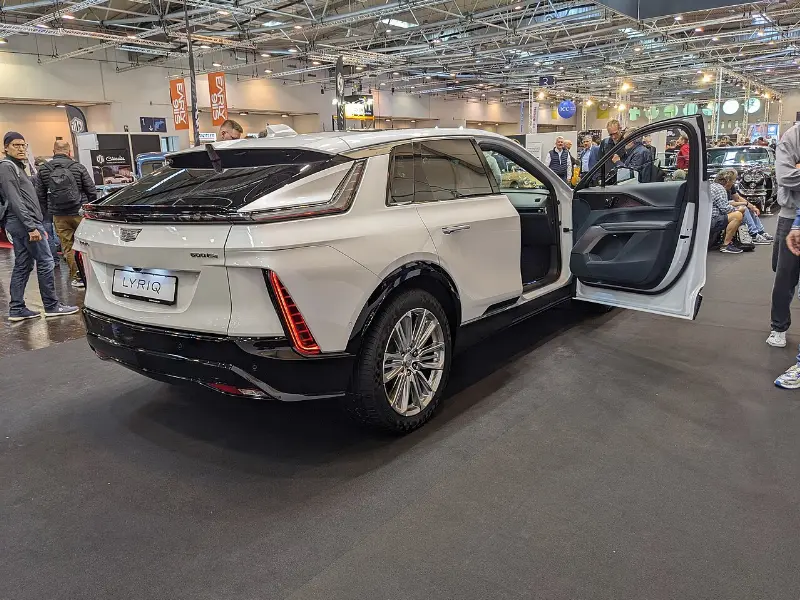
For a 2025 Cadillac LYRIQ Small Sport Utility Vehicle 2WD, home charging cost is driven mostly by your local electricity rate. Using the EPA efficiency rating and the national residential electricity price, a full-range charge comes to 21.68 dollars. That figure is a national estimate, so your own utility rate is what will decide the actual bill.
Key Findings
- The EPA combined efficiency rating is 92 MPGe, with an EPA range of 326 miles.
- The EPA energy use figure is 36.6 kWh for every hundred miles of driving.
- The national residential electricity price used here is 18.1600 cents/kWh.
- At that price, charging costs 6.65 dollars per hundred miles.
- A full-range charge, based on the EPA range, costs 21.68 dollars.
How the Charging Math Works
The calculation combines two inputs. The first is the vehicle's energy use, which the EPA lists at 36.6 kWh per hundred miles. The second is the electricity price, which the EIA reports at 18.1600 cents/kWh for U.S. residential customers. Multiplying energy by price gives the 6.65 dollars cost per hundred miles. The per-mile cost is that same figure spread across each single mile, which is a small fraction of a dollar.
Because the EPA energy figure reflects a standardized test cycle, it is best read as a comparison tool rather than a promise. Real driving, climate, speed, and battery temperature all shift how much energy a trip uses.
What the Full-Range Figure Means for Daily Driving
The full-range charge cost of 21.68 dollars is tied to the EPA range of 326 miles. It describes the cost of covering that entire rated distance on electricity bought at the national residential price. Most owners do not run the battery from empty to full, and many charge only enough to cover the day's driving. A partial charge therefore costs less than the full-range figure, and a driver with a short commute will typically see a much lower monthly bill than the headline number suggests.
How Your Local Electricity Rate Changes the Result
The price used here is a national average for residential customers. Utility rates vary widely between regions and between utilities, and some plans charge different amounts at different times of day. Because the cost scales directly with the rate, a buyer in a region with higher residential prices will see a proportionally higher bill, and a buyer with lower rates will see a proportionally lower one. To estimate your own cost, substitute your utility's price per kWh into the same calculation: energy use multiplied by price.
Key Figures at a Glance
| Measure | Value | Source |
|---|---|---|
| Combined efficiency | 92 MPGe | EPA |
| EPA range | 326 miles | EPA |
| Energy use per hundred miles | 36.6 kWh | EPA |
| Residential electricity price | 18.1600 cents/kWh | EIA |
| Charging cost per hundred miles | 6.65 dollars | EIA |
| Full-range charge cost | 21.68 dollars | EIA |
Who This Vehicle Suits on Home-Charging Costs
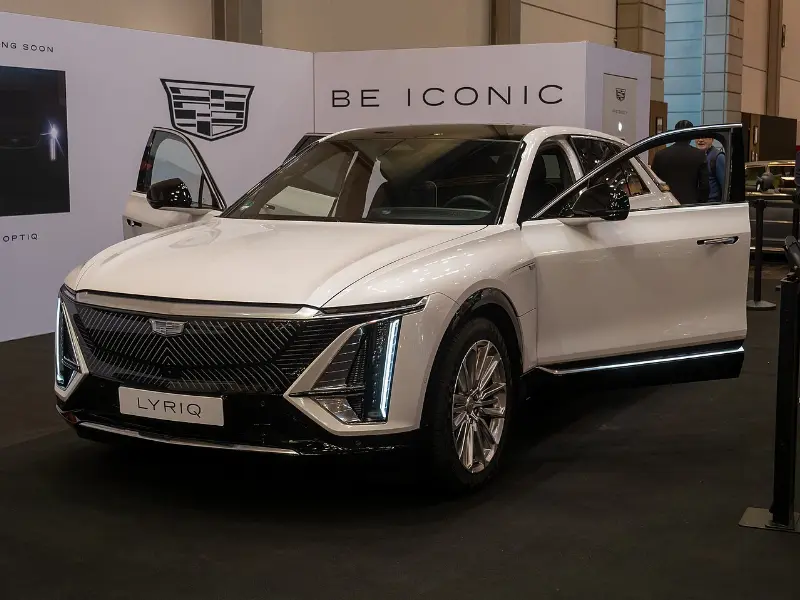
The home-charging figures are most relevant to buyers who can charge at home and want a predictable energy cost. The combination of an EPA range of 326 miles and a per-hundred-mile cost of 6.65 dollars makes it easy to budget a typical week of driving. Buyers who depend mainly on public charging should not rely on these figures, since public charging is priced separately and the supplied facts do not include public charging rates.
Limitations of These Figures
Several limits apply. The EPA values come from a standardized test, not from owner driving. The electricity price is a national residential average rather than a local rate. The supplied facts do not break out time-of-use pricing, charging losses, or the cost of installing a home charger. They also do not cover maintenance, insurance, or depreciation, so this article compares energy costs only, not total ownership cost. Finally, no recall information was supplied for this article. To check open safety campaigns for a specific vehicle, enter its VIN at nhtsa.gov.
Conclusion
On the supplied figures, the 2025 Cadillac LYRIQ Small Sport Utility Vehicle 2WD costs 6.65 dollars per hundred miles to charge at the national residential rate, and 21.68 dollars for a full-range charge. Before deciding, substitute your own utility rate into the calculation, and treat the EPA efficiency as a test-cycle baseline rather than a guaranteed result.
Frequently Asked Questions
How is the home charging cost calculated?
The cost equals the vehicle's energy use multiplied by the electricity price. Here, the energy use is 36.6 kWh per hundred miles and the price is 18.1600 cents/kWh, which yields 6.65 dollars per hundred miles.
Does the EPA range match real-world driving?
Not exactly. The 326 miles figure comes from a standardized EPA test cycle, and actual range depends on conditions and driving style.
Is the electricity price the same across the United States?
No. The 18.1600 cents/kWh figure is a national residential average, so local rates can be higher or lower.
What does a full-range charge cost?
Based on the EPA range, a full-range charge is estimated at 21.68 dollars using the national residential price.
How can I check this vehicle's recall history?
No recall figures were supplied for this article. Enter the vehicle's VIN on nhtsa.gov to see any open campaigns.
Data Sources
- U.S. Environmental Protection Agency (EPA), vehicle efficiency and range data: https://fueleconomy.gov/feg/epadata/vehicles.csv
- U.S. Energy Information Administration (EIA), residential electricity price series ELEC.PRICE.US-RES.M: https://api.eia.gov/v2/seriesid/ELEC.PRICE.US-RES.M